
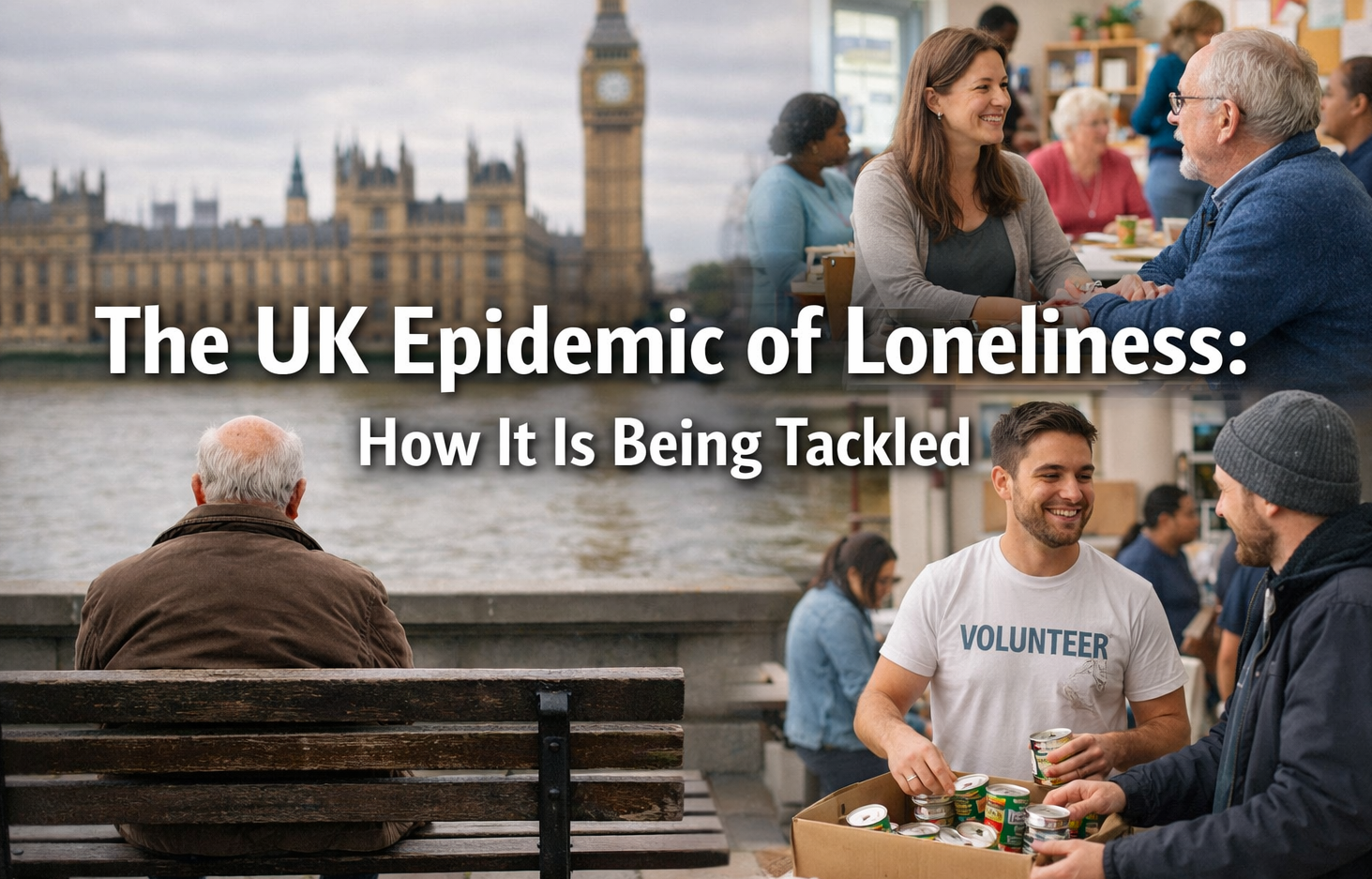

The UK Epidemic of Loneliness has rapidly evolved from a silent, individual struggle into a recognized public health crisis requiring systemic intervention. As society changes—with an increase in remote work, digitized interactions, and shifting family structures—the psychological toll of social disconnection has become undeniable. Recognizing that chronic isolation is as harmful to long-term health as physical inactivity or smoking, the United Kingdom has taken pioneering steps to address this issue from both a structural policy and a clinical psychology standpoint.
The Psychology Behind the UK Epidemic of Loneliness
To effectively tackle the UK Epidemic of Loneliness, it is crucial to distinguish loneliness from social isolation. Social isolation is a relatively objective measure of the number of relationships a person has. Loneliness, however, is deeply rooted in psychology. It is defined by the cognitive discrepancy theory as the subjective, unwelcome feeling resulting from a mismatch between the quality and quantity of social relationships we have, and those we desire.
This cognitive gap creates powerful emotions such as anxiety, shame, and helplessness. Over time, these feelings can trigger a downward psychological spiral where an individual anticipates rejection and withdraws further from society, making the loneliness entrenched and incredibly difficult to overcome.
The 2018 Strategy: A Global First
Prompted by the findings of the Jo Cox Loneliness Commission, the UK government launched the world’s first comprehensive Loneliness Strategy in 2018, which included the appointment of a dedicated Minister for Loneliness. The core philosophy of this strategy is that community connection is a fundamental human need.
A central pillar of the UK’s approach to the UK Epidemic of Loneliness is the expansion of social prescribing. Recognizing that medical prescriptions alone cannot cure the root psychological causes of isolation, healthcare providers and GPs are now trained to refer patients to local, non-clinical services. This connects individuals with community cafes, gardening clubs, volunteering opportunities, and befriending networks to actively rebuild their social fabric.
Recent Evaluations and the BPS Warning
While the foundational strategy was a monumental step, overcoming this crisis requires sustained, adaptive effort. Recent evaluations have highlighted both the successes and the complexities:
- Targeted Demographics: Loneliness does not discriminate. While older populations often face isolation due to bereavement or mobility loss, modern epidemiological studies reveal that up to 31% of young adults (aged 16-24) also report frequent feelings of loneliness, exacerbated by cyberbullying and employment anxieties.
- Efficacy of Campaigns: A 2023 study by King’s College London evaluating national campaigns for the over-65s found that short-term interventions had limited impact on deeply entrenched isolation, though they did increase social engagement among higher-education and higher-income groups. This suggests that structural barriers—like poor transport, economic hardship, and community infrastructure—must be addressed for interventions to be universally effective.
- A Call for Urgent Action: In late 2024, the British Psychological Society (BPS) issued a stark warning to the government, urging that the 2018 strategy be updated to reflect the post-pandemic landscape. The BPS stressed that without reinstating loneliness as a primary ministerial portfolio and increasing funding for social prescribing, the crisis risks overwhelming the national healthcare system.
Psychological Interventions That Work
Alongside broad community initiatives, targeted psychological approaches remain vital for individuals who require clinical support to break the cycle of isolation. The three most evidence-backed psychological interventions currently utilized include:
- Cognitive Behavioural Therapy (CBT): CBT helps individuals identify and reframe maladaptive thoughts regarding social interactions, directly addressing the heightened fear of social rejection that keeps lonely individuals isolated.
- Mindfulness: Mindfulness techniques assist individuals in becoming aware of their negative thoughts during difficult times, allowing them to process and accept their emotions without judgment or further withdrawal.
- Positive Psychology: This approach focuses on building emotional resilience, fostering gratitude, and encouraging proactive, meaningful connections to shift an individual’s social outlook.
Moving Forward
Tackling the UK Epidemic of Loneliness is a complex, multifaceted challenge that demands a blend of grassroots community action, robust government policy, and clinical psychology. By continuing to integrate psycho-education into public services and refining social prescribing to reach the most vulnerable demographics, society can build a more connected and psychologically resilient future.