
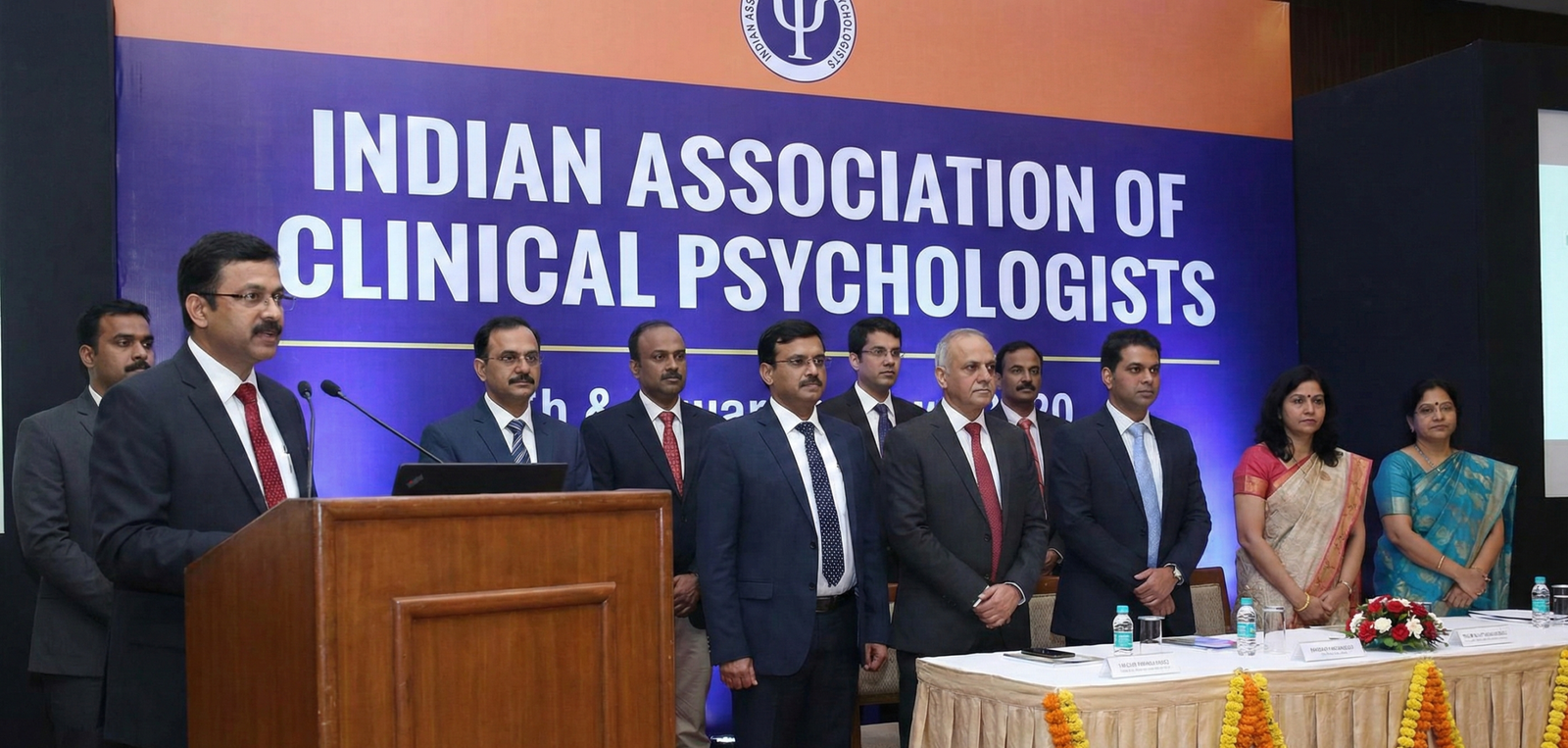

In the evolving landscape of mental health in India, the Indian Association of Clinical Psychologists (IACP) stands as a premier professional body dedicated to the advancement of clinical psychology. For students, practitioners, and mental health advocates, understanding the IACP’s role, benefits, and activities is crucial for professional growth and networking.
What is the Indian Association of Clinical Psychologists (IACP)?
Established in 1968, the IACP is the leading national organization representing clinical psychologists in India. Unlike the Rehabilitation Council of India (RCI), which is a statutory body governing licensure and education standards, the IACP is a professional association focused on advocacy, scientific exchange, and the professional development of its members.
The association plays a pivotal role in unifying clinical psychologists under one banner to promote high standards of education, training, and ethical practice.
Key Objectives of IACP
- Advocacy: To represent the interests of clinical psychologists to the government and policy-makers.
- Scientific Growth: To promote research and publication through its flagship journal, the Indian Journal of Clinical Psychology (IJCP).
- Standardization: To maintain high ethical and professional standards among practitioners.
- Networking: To provide a platform for professionals to exchange ideas through annual national conferences (NACIACP).
Membership: Categories and Eligibility
Joining the IACP offers professionals recognition and a voice in the national community. The membership is generally divided into the following categories:
1. Fellow Membership
- Eligibility: Typically reserved for senior professionals with significant contributions to the field.
- Privileges: Voting rights and eligibility to hold office.
2. Professional Membership
- Eligibility: Open to qualified clinical psychologists who hold an RCI-recognized qualification (like M.Phil in Clinical Psychology).
- Privileges: Voting rights and access to all scientific programs.
3. Associate Membership
- Eligibility: Open to professionals in allied fields (e.g., social workers, psychiatrists) or those with psychology degrees who do not yet meet the full clinical criteria.
4. Student Membership
- Eligibility: For students currently enrolled in recognized clinical psychology training programs.
Note: Membership fees vary by category and tenure (Annual vs. Life Membership). It is recommended to check the official IACP website or contact the General Secretary for the latest fee structure for 2025-2026.
The NACIACP Annual Conference
One of the association’s most significant activities is the National Annual Conference of the Indian Association of Clinical Psychologists (NACIACP). This event attracts hundreds of delegates from across the country and features workshops, symposia, and paper presentations.
Upcoming Event: 51st NACIACP 2026
- Dates: April 9th – 11th, 2026
- Venue: Gautam Buddha University, Greater Noida, Uttar Pradesh
- Theme: “Expanding Horizons of Clinical Psychology in the Era of Artificial Intelligence across Healthcare Settings”
- President: Dr. G.S. Kaloiya (as of the 2026 conference announcement)
These conferences are vital for staying updated with the latest research trends, such as the integration of AI in mental health, cognitive retraining, and community mental health models.
Awards and Recognition
The IACP encourages excellence through various awards presented during its annual conference, including:
- H.N. Murthy Award: For distinguished contribution in Clinical Psychology.
- S.C. Gupta Best Paper Award: For the best scientific paper presentation.
- Young Scientist Award: To encourage early-career researchers.
IACP vs. RCI: What’s the Difference?
A common confusion arises between the roles of the IACP and the RCI.
| Feature | Rehabilitation Council of India (RCI) | Indian Association of Clinical Psychologists (IACP) |
| Type | Statutory Government Body | Professional Association (NGO/Society) |
| Primary Function | Licensing & Regulation of Education | Professional Networking & Advocacy |
| Legal Power | Can grant/revoke licenses (CRR No.) | Cannot grant legal licenses to practice |
| Membership | Mandatory for practice | Voluntary (but highly recommended) |
Why Should You Join IACP?
For a budding or established clinical psychologist, IACP membership provides a “seal of quality” that enhances professional credibility. It offers opportunities to:
- Network with the stalwarts of the field.
- Publish research in the Indian Journal of Clinical Psychology.
- Stay Updated with changes in the Mental Healthcare Act and other policies.
- Find Mentorship through regional chapters and special interest groups.