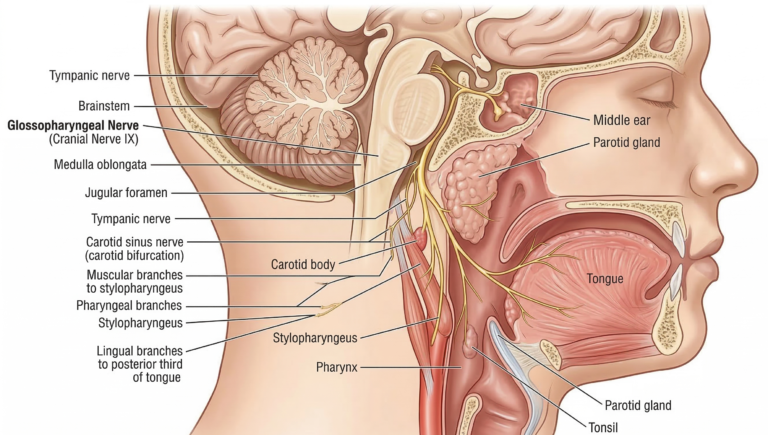


When we talk about the “mind-body connection” in psychology, we aren’t just speaking metaphorically. There is a literal, physical superhighway connecting our brain to our vital organs, governing our stress responses, emotional regulation, and overall mental health. This incredible neural pathway is called the vagus nerve.
At Formal Psychology, we believe in bridging the gap between biological mechanisms and psychological well-being. Understanding the vagus nerve is one of the most profound ways to understand how our bodies process trauma, anxiety, and social connection.
Here is a complete guide to the vagus nerve, what it does, and how you can harness it to improve your mental health.
What is the Vagus Nerve?
The vagus nerve, also known as the tenth cranial nerve (Cranial Nerve X), is the longest and most complex of the cranial nerves. The word “vagus” comes from Latin, meaning “wandering.” This is a perfect description, as the nerve wanders from the brainstem down through the neck, chest, and abdomen, branching out to touch the heart, lungs, and digestive tract.
Functionally, it is the primary component of the parasympathetic nervous system—the “rest and digest” counterpart to the sympathetic nervous system’s “fight or flight” response. It carries sensory and motor information bidirectional between the brain and the body, with about 80% of its nerve fibers sending information from the body to the brain.
The Psychology of the Vagus Nerve
While the vagus nerve is a biological structure, its implications for clinical psychology are massive. It is the physiological brake pedal that tells the brain when the environment is safe.
Anxiety, Depression, and Vagal Tone
Vagal tone refers to the activity and health of your vagus nerve. It is often measured indirectly through heart rate variability (HRV).
- High Vagal Tone: Indicates that your body can quickly relax after a stressor. People with high vagal tone tend to experience better emotional regulation, lower anxiety, and more resilience to stress.
- Low Vagal Tone: Is frequently observed in individuals dealing with chronic anxiety, depression, and chronic stress. When the vagus nerve is underactive, the body struggles to shut off the sympathetic “fight or flight” response, leaving the person in a state of hyperarousal.
Polyvagal Theory and Trauma
Developed by Dr. Stephen Porges, Polyvagal Theory revolutionized how psychologists understand trauma. The theory suggests that the autonomic nervous system is not just a two-part system (stress vs. rest), but rather a three-part hierarchy driven by the vagus nerve:
- Ventral Vagal State (Safe and Social): This is the newest evolutionary branch of the vagus nerve. When active, we feel grounded, relaxed, and capable of social engagement.
- Sympathetic State (Fight or Flight): When a threat is perceived, the vagus nerve temporarily steps back, allowing adrenaline and cortisol to mobilize the body for survival.
- Dorsal Vagal State (Freeze or Faint): The oldest evolutionary branch. If a threat is overwhelming and we cannot fight or flee, the dorsal vagus nerve takes over, dropping heart rate and blood pressure, leading to dissociation, numbness, or a “freeze” response. This is often seen in severe trauma.
Understanding this helps in therapy because it frames trauma responses not as psychological failings, but as the nervous system’s biological attempt to protect the individual.
The Gut-Brain Axis
Have you ever had a “gut feeling” or felt “butterflies in your stomach” when anxious? The vagus nerve is the physical bridge of the gut-brain axis. It facilitates communication between the enteric nervous system (the nervous system of the gut) and the central nervous system. Because a vast amount of the body’s serotonin (a mood-regulating neurotransmitter) is produced in the gut, a healthy vagus nerve is essential for transmitting these positive signals to the brain.
How to Stimulate the Vagus Nerve Naturally
Because of its profound impact on mental health, learning to actively stimulate the vagus nerve can be a powerful tool for self-regulation and anxiety management. Here are several evidence-based ways to improve your vagal tone:
- Deep, Slow Breathing: Diaphragmatic breathing is the most direct way to stimulate the vagus nerve. Aim for a prolonged exhalation (e.g., inhaling for 4 seconds, exhaling for 6 or 8 seconds). This physically signals the heart to slow down.
- Cold Exposure: Splashing cold water on your face or taking a brief cold shower triggers the mammalian dive reflex, which activates the vagus nerve and rapidly lowers heart rate.
- Vocalizing (Humming, Singing, Chanting): The vagus nerve is connected to the vocal cords and the muscles at the back of the throat. Singing, humming, or gargling water creates mechanical vibrations that stimulate the nerve.
- Meditation and Mindfulness: Practices like loving-kindness meditation have been shown to increase heart rate variability and improve vagal tone over time.
- Probiotics and Gut Health: Since the vagus nerve heavily monitors the gut environment, maintaining a healthy microbiome through diet or probiotics can improve the signals sent back to the brain.
Conclusion
The vagus nerve is much more than just a biological cable; it is the sensory pathway of our emotional landscape. By understanding how it governs our feelings of safety, connection, and survival, we can take actionable steps toward better mental health. At Formal Psychology, we encourage exploring these mind-body connections as a holistic approach to healing and well-being.