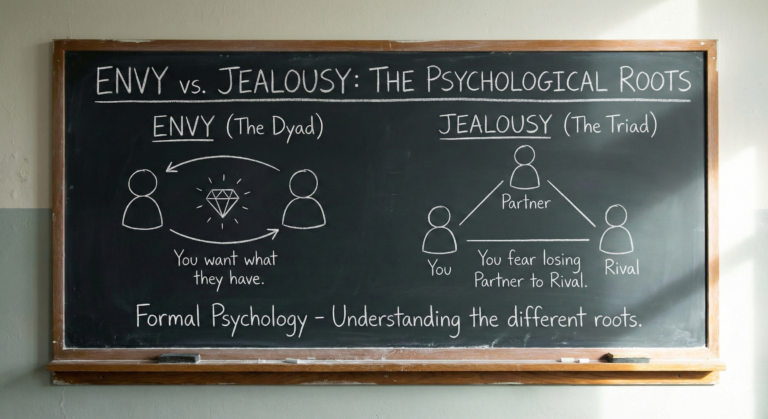
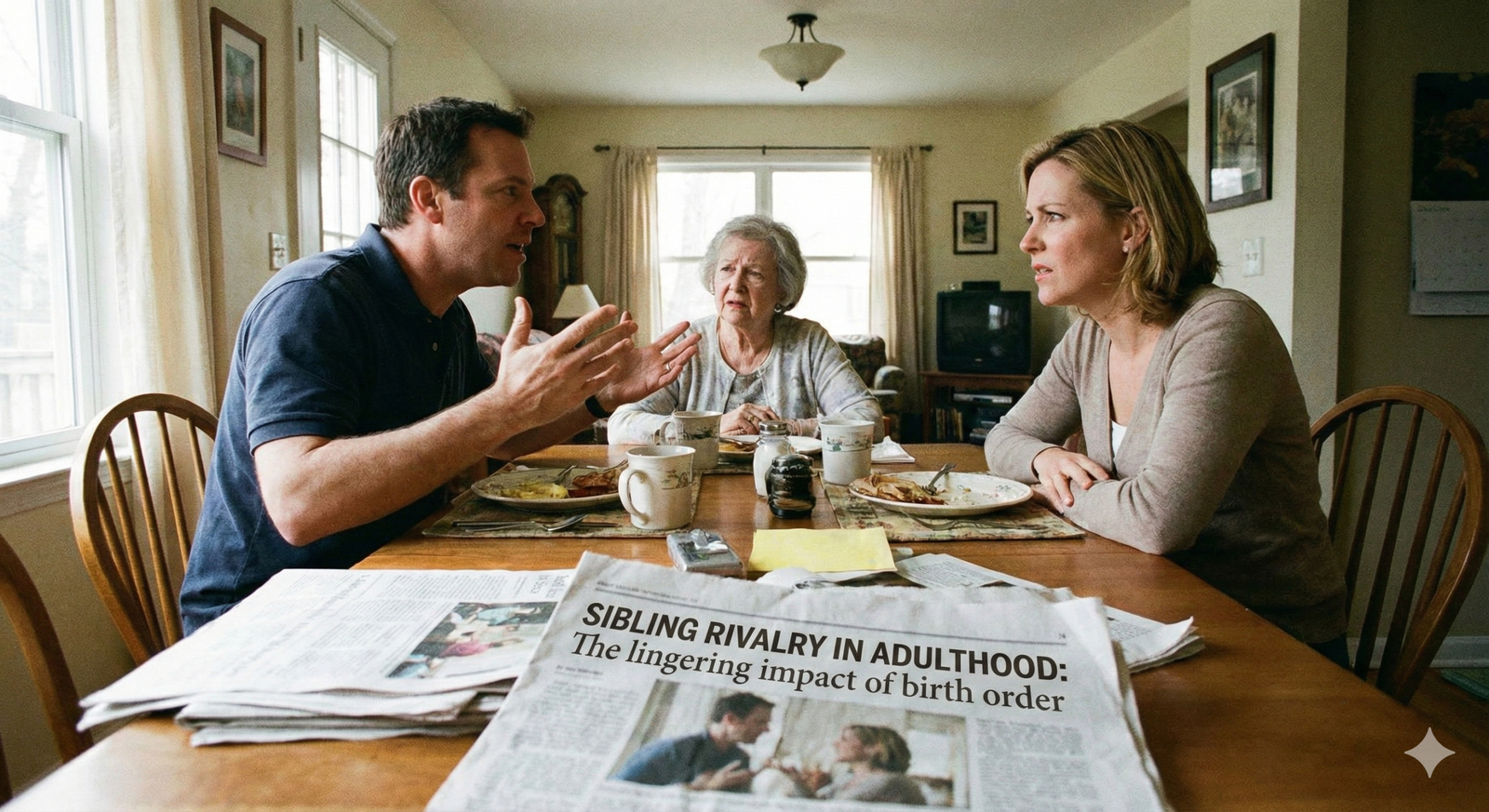

Most of us assume that sibling rivalry is a phase we grow out of—something left behind with childhood toys and fights over the front seat of the car. However, psychology tells a different story. For many, the competition simply changes shape, evolving from “Mom liked you best” to complex conflicts over career success, inheritance, and caregiving responsibilities.
At Formal Psychology, we explore the deep-seated roots of these behaviors. One of the most potent predictors of adult sibling dynamics is Birth Order. Based on the foundational work of Alfred Adler, understanding your position in the family lineup can unlock the reasons why childhood battles persist into adulthood.
The Psychology of the “Frozen” Dynamic
Why do successful, rational adults revert to bickering children the moment they enter their parents’ home? Psychologists refer to this as family systems “homeostasis.” Families establish patterns early on, and members often get locked into specific roles (the responsible one, the mess, the baby).
When siblings interact as adults, they often unconsciously trigger these dormant insecurities. This regression is frequently fueled by Birth Order Theory, which suggests that the order in which we were born shapes our personality, our relationship with authority, and crucially, our relationship with our peers (siblings).
Decoding the Roles: How Birth Order Fuels Rivalry
While every family is unique, Adlerian theory provides a framework for understanding common sources of friction between adult siblings.
1. The Firstborn: The Dethroned Monarch
- The Profile: Firstborns often bear the weight of parental expectation. They tend to be conscientious, achievement-oriented, and dominant.
- The Source of Rivalry: Firstborns experienced a period of being the “only” child before being “dethroned” by a sibling. In adulthood, they may view siblings as threats to their authority or status.
- Adult Conflict: They may criticize younger siblings’ life choices, acting as a “third parent.” Conversely, they may feel resentful if a younger sibling out-earns them or achieves higher status, viewing it as a usurpation of their natural rank.
2. The Middle Child: The Squeezed Negotiator
- The Profile: Often feeling overlooked, middle children develop skills in diplomacy or, alternatively, rebellion. They are the most likely to move far away from the family unit to forge an independent identity.
- The Source of Rivalry: They fight a two-front war: competing with the elder for competence and the younger for attention.
- Adult Conflict: Middle children often harbor a lingering sense of injustice (“No one ever took photos of my graduation”). This can manifest as hypersensitivity to perceived favoritism regarding inheritance or parental time.
3. The Youngest: The Forever Baby
- The Profile: Often indulged and protected, the youngest may be charming, creative, or dependent.
- The Source of Rivalry: They may struggle to be taken seriously by older siblings who remember changing their diapers.
- Adult Conflict: The “baby” often resents being patronized or excluded from serious family decisions (like elder care). Meanwhile, older siblings may resent the youngest if they perceive them as having had an “easier ride” or fewer responsibilities.
Common Triggers of Adult Sibling Conflict
Birth order sets the stage, but specific life events trigger the drama.
1. Socioeconomic Disparity (The Comparison Trap)
Social Comparison Theory plays a massive role here. If a younger sibling becomes a CEO while the eldest struggles financially, it disrupts the “natural hierarchy” established in childhood. This status inconsistency can lead to awkwardness, shame, and passive-aggressive comments at family gatherings.
2. Caring for Aging Parents
This is the single biggest flashpoint for adult siblings.
- The Firstborn often takes charge, dictating the care plan.
- The Youngest may be shielded from the burden or expected to do the day-to-day emotional labor if they live closer.
- The Friction: Arguments over money, medical decisions, and “who does more” resurface old feelings of “Mom always loved you more.”
3. Inheritance and Estate Division
Money in families is rarely just about currency; it is a proxy for love and value. Unequal distribution of heirlooms or assets is often interpreted as a final judgment on who was the “favorite child,” cementing rivalries permanently.
The Psychological Toll
Unresolved sibling rivalry isn’t benign. It is correlated with:
- Depression and Anxiety: Constant family conflict creates a background hum of stress.
- Estrangement: Approximately 8% to 15% of adult siblings are completely estranged.
- Relationship Spillover: Individuals often project their sibling dynamics onto their spouses or coworkers (e.g., a middle child feeling constantly overlooked by a boss).
Moving Forward: Breaking the Cycle
You cannot change your birth order, but you can change the dynamic. Here are psychological strategies for resolution:
1. Individuation
Recognize that your sibling is a separate adult, not the caricature from your childhood. Stop viewing them through the lens of who they were at age 10.
2. Direct Communication (No Triangulation)
Stop venting to your parents about your siblings. This is known as triangulation and it keeps the parent in the middle of the conflict, reinforcing the “fighting for attention” dynamic. Speak directly to your sibling.
3. Acknowledge Different Perspectives
In therapy, we often see that two siblings can grow up in the “same” house but have entirely different parents. The stressed, poor parents the eldest knew may have become the relaxed, financially stable parents the youngest knew. Validating that your sibling had a different experience is powerful.
4. Establish Adult Boundaries
If rivalry is toxic, limit exposure. You can maintain a “low-contact” relationship that preserves your mental health while remaining cordial.
Conclusion
Sibling rivalry in adulthood is a complex web of past grievances and present insecurities. By viewing these conflicts through the lens of birth order and family systems theory, we can stop reacting emotionally and start understanding the mechanics of our frustration. The goal isn’t necessarily to become best friends, but to reach a place of mutual respect where the past no longer dictates the future.