
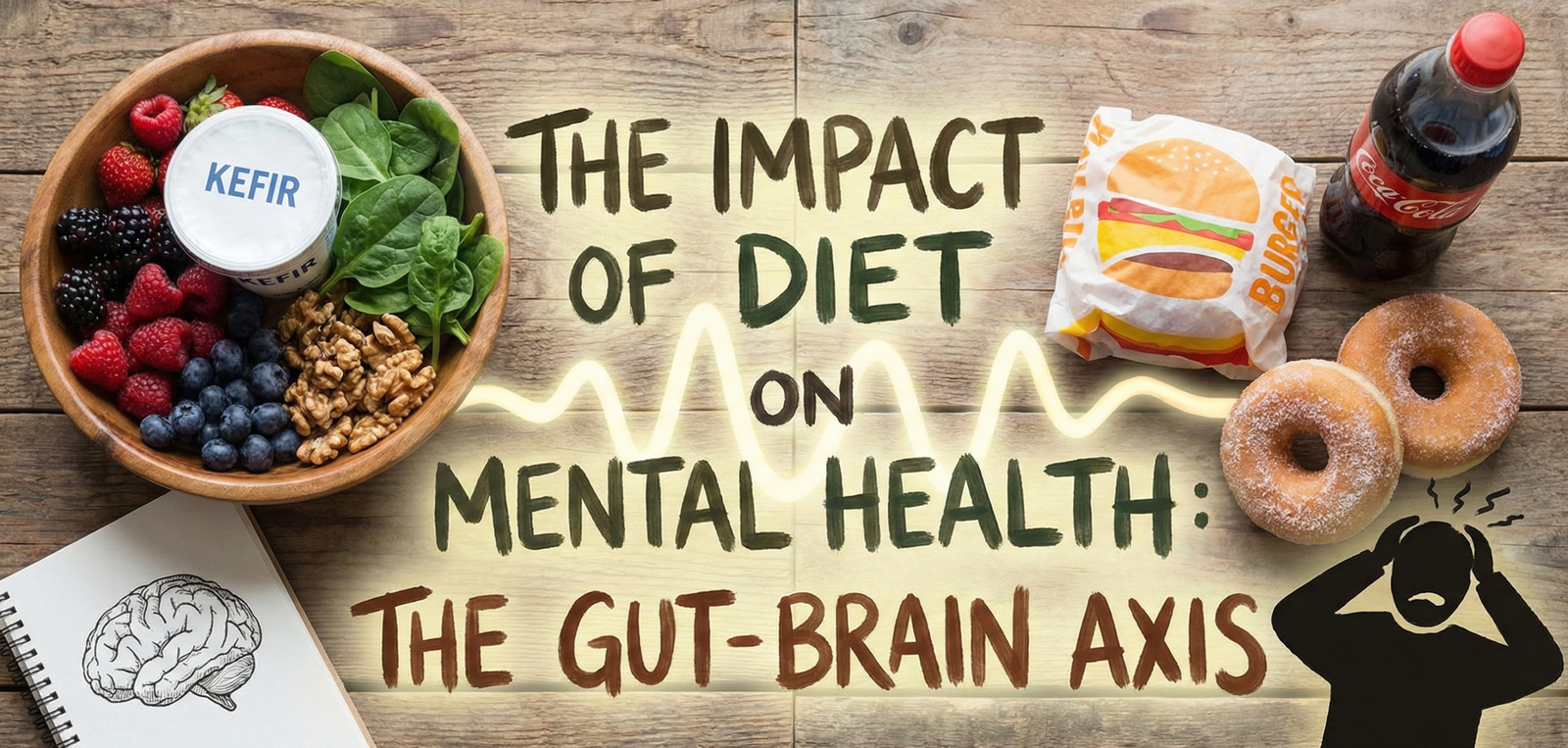

For decades, the field of psychology focused almost exclusively on the “neck up.” However, contemporary research is proving that our mental state is deeply intertwined with our digestive system. This bidirectional communication network is known as the Microbiome-Gut-Brain Axis (MGBA).
Understanding this link is no longer just for nutritionists; it is a critical component of modern psychological practice.
What is the Gut-Brain Axis?
The gut-brain axis is a complex communication network that links the enteric nervous system (ENS) of the gastrointestinal tract with the central nervous system (CNS). This isn’t just a physical connection; it’s a chemical one.
The Pathways of Communication
- The Vagus Nerve: Think of this as the “superhighway” connecting the gut and the brain. It sends signals in both directions, allowing gut bacteria to influence emotional behavior.
- Neurotransmitters: It is a startling fact that approximately 90-95% of the body’s serotonin—the “feel-good” hormone—is produced in the gut, not the brain.
- The Immune System: The gut houses about 70% of our immune cells. Chronic inflammation in the gut can trigger systemic inflammation, which is a known precursor to depression and anxiety.
How Diet Shapes the Mind
The composition of our gut microbiome—the trillions of bacteria living in our digestive tract—is largely determined by what we eat. When we consume a diet high in processed sugars and unhealthy fats, we encourage the growth of “bad” bacteria, leading to dysbiosis.
1. Inflammation and Depression
Diets high in ultra-processed foods can lead to “leaky gut” (increased intestinal permeability). When toxins escape the gut into the bloodstream, the brain’s immune cells (microglia) can become inflamed. This neuroinflammation is closely linked to the development of Major Depressive Disorder (MDD).
2. The Power of Psychobiotics
“Psychobiotics” refers to live organisms (probiotics) that, when ingested in adequate amounts, produce a health benefit in patients suffering from psychiatric illness. Strains like Lactobacillus and Bifidobacterium have shown promise in reducing cortisol levels and alleviating symptoms of anxiety.
Dietary Patterns for Psychological Well-being
If we view food as a pharmacological intervention, certain dietary patterns stand out for their efficacy in mental health:
Clinical Implications for Psychology
Integrating nutritional education into psychological therapy can enhance patient outcomes. While diet is not a “cure-all” for clinical disorders, it serves as a foundational pillar that can make traditional therapies, like CBT or pharmacological interventions, more effective.
Key Takeaway: A healthy gut acts as a buffer against stress. By nourishing the microbiome, we provide the brain with the chemical precursors it needs to maintain emotional regulation and cognitive clarity.
Conclusion
The “Gut-Brain Axis” represents a shift in how we define mental health. We are not just what we think; we are what we eat, digest, and absorb. For formal psychology to remain at the cutting edge, it must embrace the reality that the gut is indeed our “second brain.”