
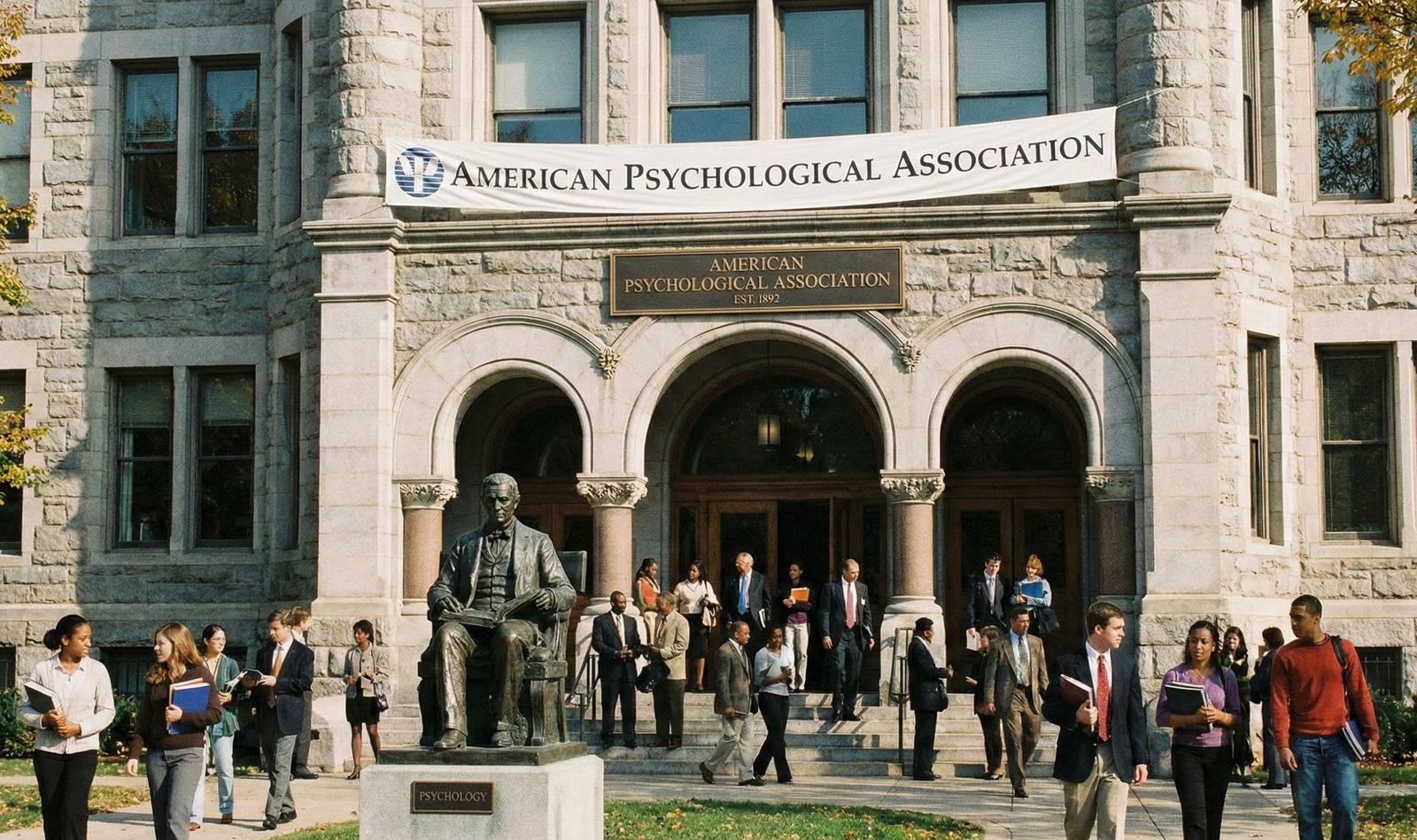

When delving into the world of mental health, research, and behavioral science, one name consistently stands at the forefront: the American Psychological Association (APA). As the leading scientific and professional organization representing psychology in the United States, the APA plays a monumental role in shaping how we understand human behavior.
Whether you are a psychology student, a practicing clinician, or simply a curious mind reading formalpsychology.com, understanding the structure, history, and impact of the American Psychological Association is essential.
What is the American Psychological Association?
The American Psychological Association is the largest organization of psychologists in the world, boasting over 150,000 members, including scientists, educators, clinicians, consultants, and students.
Its primary mission is to promote the advancement, communication, and application of psychological science and knowledge to benefit society and improve lives. Through rigorous research standards, ethical guidelines, and educational initiatives, the APA ensures that the practice of psychology remains safe, effective, and forward-thinking.
A Brief History of the APA
The foundation of the American Psychological Association dates back to July 1892, when a small group of 31 prominent men gathered at Clark University. The organization’s first president was G. Stanley Hall, a pioneer in childhood development and evolutionary theory.
Over the past century, the APA has grown exponentially. It has navigated periods of immense social change, contributing psychological insights to world wars, civil rights movements, and modern mental health crises. Today, it stands as a pillar of scientific integrity and public advocacy.
How the APA is Structured: The 54 Divisions
Psychology is a incredibly diverse field, and the American Psychological Association reflects this through its 54 distinct divisions. These divisions act as specialized interest groups, allowing professionals to focus on highly specific subfields.
Some notable divisions include:
- Division 1: Society for General Psychology
- Division 12: Society of Clinical Psychology
- Division 15: Educational Psychology
- Division 44: Society for the Psychology of Sexual Orientation and Gender Diversity
- Division 53: Society of Clinical Child and Adolescent Psychology
These divisions host their own conferences, publish specific journals, and grant awards to advance research within their niches.
The APA Ethical Principles of Psychologists and Code of Conduct
One of the most critical contributions of the American Psychological Association is its formulation of the Ethical Principles of Psychologists and Code of Conduct. First published in 1953 and continually updated, this code provides a common set of values upon which psychologists build their professional and scientific work.
The code outlines five general principles:
- Beneficence and Nonmaleficence: Striving to benefit clients and taking care to do no harm.
- Fidelity and Responsibility: Establishing relationships of trust and upholding professional standards of conduct.
- Integrity: Promoting accuracy, honesty, and truthfulness in science, teaching, and practice.
- Justice: Ensuring that all individuals have access to and benefit from the contributions of psychology.
- Respect for People’s Rights and Dignity: Safeguarding privacy, confidentiality, and self-determination.
APA Style: The Global Standard for Academic Writing
If you have ever written a psychology paper, you are likely intimately familiar with “APA Style.” Developed by the American Psychological Association, this set of guidelines ensures clear, consistent, and bias-free communication in academic writing.
The Publication Manual of the American Psychological Association dictates everything from margin sizes and title page formatting to citation structures and reference lists. While it originated in psychology, APA Style is now the standard formatting choice for nursing, sociology, education, and many other scientific disciplines globally.
APA Publications and Databases
The American Psychological Association is a powerhouse of academic publishing. It manages some of the most widely used research databases in the world, including:
- PsycINFO: An expansive abstract database of psychological literature from the 1800s to the present.
- PsycARTICLES: A database offering full-text, peer-reviewed articles published by the APA and allied organizations.
Furthermore, the APA publishes over 90 different peer-reviewed journals, with American Psychologist serving as its flagship publication, delivering high-impact, broad-interest articles to the global psychological community.
Conclusion
The American Psychological Association is far more than just a membership club for therapists. It is the engine that drives psychological science forward. From establishing the ethical boundaries that protect patients to standardizing the way researchers share their discoveries, the APA touches every corner of the psychological landscape.
📌 Important Note for Psychology Students & Exam Prep
If you are studying the American Psychological Association for a university exam or licensure, keep these highly testable distinctions in mind:
- The “Psychological” vs. “Psychiatric” Distinction: Do not confuse the American Psychological Association (APA) with the American Psychiatric Association. The latter is an organization for medical doctors (psychiatrists) and is the body responsible for publishing the DSM-5-TR. The American Psychological Association does not publish the DSM.
- Key Historical Figures: While G. Stanley Hall was the first president, exams frequently test on other trailblazers, such as Mary Whiton Calkins (the first female president in 1905) and Kenneth Clark (the first Black president in 1971, renowned for his research cited in Brown v. Board of Education).
- Accreditation Limits: The APA only accredits doctoral programs (Ph.D., Psy.D.) and doctoral internships in clinical, counseling, and school psychology. It does not accredit bachelor’s or master’s degree programs.
- Ethics Code – Principles vs. Standards: In the APA Ethics Code, the 5 General Principles (like Beneficence and Justice) are aspirational ideals to strive for. However, the 10 Ethical Standards are enforceable rules of conduct; violating a standard can lead to a loss of licensure or APA membership.