

In our cultural hierarchy of love, romantic relationships sit at the undisputed top. We have endless songs, movies, and rituals for the end of a romance—breakup playlists, gallons of ice cream, and the collective sympathy of peers. But when a long-term friendship ends, the silence is often deafening.
There are no divorce lawyers for best friends, no “it’s not you, it’s me” scripts, and often, no closure. Yet, psychological research and anecdotal evidence increasingly suggest that friendship breakups can be just as, if not more, devastating than romantic splits.
At Formal Psychology, we believe in validating every form of human connection. Here is a deep dive into the psychology behind why losing a friend cuts so deep, and how to navigate the aftermath.
1. The Phenomenon of “Disenfranchised Grief”
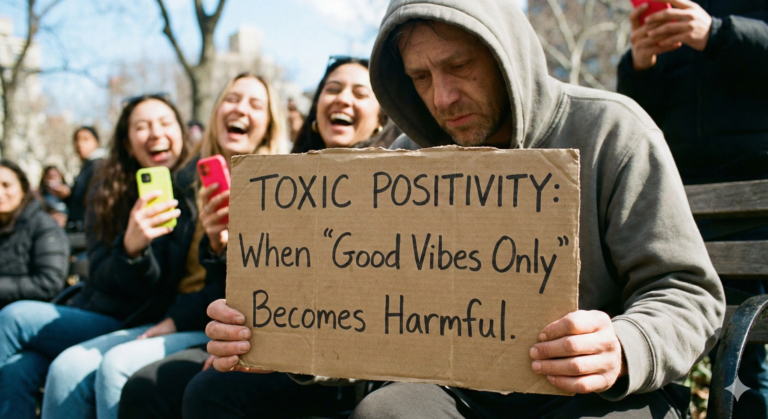
The primary reason friendship breakups are so painful is that society rarely validates the loss. In psychology, this is known as Disenfranchised Grief—grief that is not acknowledged or socially supported.
When you lose a romantic partner, people ask how you are doing. When you lose a friend, people often expect you to “get over it” quickly. Because there is no social script for mourning a friend, you are often left to process the trauma in isolation. This lack of external validation can lead to internalizing the pain, making you question if your feelings are valid or “too dramatic.”
2. The Loss of Shared History and Identity
Romantic partners may come and go, but best friends are often the archivists of our lives. They are the witnesses to our childhoods, our awkward phases, and our formative years.
- The Mirror Effect: Friends reflect who we were and who we have become. Losing a friend is like losing a living diary of your past.
- Identity Crisis: According to Self-Expansion Theory, close relationships allow us to include others in our sense of self. When a friendship dissolves, you literally lose a piece of your identity. You aren’t just losing a person; you are losing the part of yourself that only they understood.
3. The Ambiguity of the End
Romantic breakups usually have a clear defining moment: “We need to talk.” Friendship breakups, conversely, are often plagued by ambiguity.
- The Slow Fade: Many friendships don’t end with a bang, but with a whimper—unanswered texts, cancelled plans, and a slow drift into silence. This ambiguity creates a state of “unresolved cognitive dissonance,” where you are constantly searching for a reason why things changed.
- The Ghosting Effect: In modern digital interactions, friends may simply stop responding. Without the closure of a conversation, the brain remains in a state of hyper-arousal, constantly analyzing past interactions to find the “error.”
4. Biological Bonds: Attachment Theory
We often reserve Attachment Theory for romantic partners or parents, but it applies heavily to close friends. For many, a best friend is a primary attachment figure—a “secure base” from which we explore the world.+1
When that base is removed, our nervous system reacts with the same panic and distress as it would with a romantic partner. The biological withdrawal from the dopamine and oxytocin provided by that bond is identical, regardless of whether the relationship was sexual or platonic.
5. The “Forever” Expectation
We are culturally conditioned to expect romantic relationships to be volatile; we know that dating is a trial-and-error process. However, we are often raised with the myth of “BFFs” (Best Friends Forever).
Because we enter friendships with the subconscious assumption that they are permanent, the betrayal feels deeper when they end. We don’t guard our hearts with friends the way we might with lovers, leaving us more vulnerable to the shock of departure.
6. How to Heal from a Friendship Breakup
If you are navigating this silent heartbreak, know that your grief is psychologically valid. Here are steps to move forward:
Acknowledge the Grief
Stop telling yourself “it’s just a friend.” Give yourself permission to mourn. Write a letter to them that you never send, detailing your anger, sadness, and appreciation for the good times.
Seek Closure Within
If you didn’t get a final conversation, you must manufacture your own closure. Accept that people grow at different rates and in different directions. A divergence in paths does not negate the value of the path you walked together.
Diversify Your Social Portfolio
In finance, you never invest all your money in one stock. In psychology, we advise against investing all your emotional needs in one person. Building a diverse network of “weak ties” (casual friends) and “strong ties” (close friends) creates a more resilient emotional safety net.
Consult a Professional
If the grief feels overwhelming, therapy can provide a space to unpack the loss without judgment. It helps to reframe the narrative of the friendship not as a “failure,” but as a completed chapter.+1
Conclusion
Friendship breakups are a unique form of trauma that challenges our sense of belonging and identity. At Formal Psychology, we recognize that platonic love is just as significant as romantic love—and its loss deserves just as much compassion.
Have you experienced a friendship breakup that changed you? Share your story with our community.