
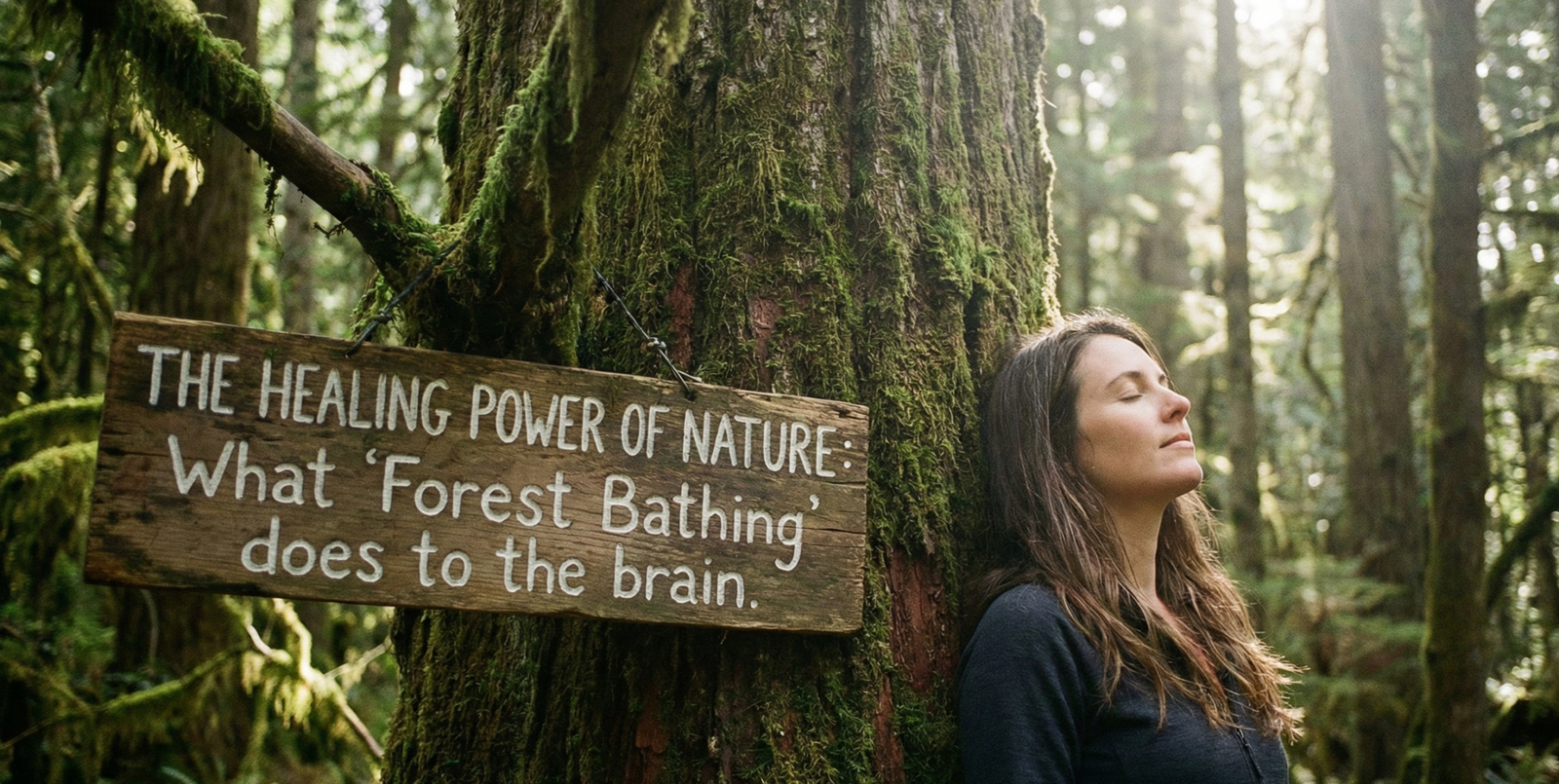
In an era defined by rapid urbanization and digital saturation, the human brain is under siege. We are constantly stimulated, perpetually “on,” and increasingly disconnected from the environment in which we evolved. Enter Shinrin-yoku, or “Forest Bathing.”
Far from being a mere poetic concept or a simple walk in the woods, Forest Bathing is a scientifically supported practice that originated in Japan in the 1980s. For readers of Formal Psychology, it is crucial to look past the wellness trend and understand the neuropsychological mechanisms at play. What exactly happens to human neural pathways when we immerse ourselves in nature?
Defining Shinrin-yoku: More Than a Hike
Forest bathing does not require hiking, running, or rigorous exercise. It is the practice of immersing oneself in nature using all five senses. It is about being rather than doing.
The Core Concept: It is a bridge. By opening our senses, it bridges the gap between us and the natural world.
The Neuroscience of Nature: Rewiring the Stressed Brain
When we step into a forest, profound physiological and neurological shifts occur almost immediately. Research in ecopsychology and neuroscience highlights several key changes.
1. Quieting the Prefrontal Cortex
The prefrontal cortex is the brain’s command center, responsible for decision-making, problem-solving, and social interaction. In modern life, this area is often hyperactive, leading to rumination—the repetitive loop of negative thoughts associated with depression and anxiety.
Studies show that a 90-minute walk in nature decreases activity in the subgenual prefrontal cortex. In contrast, walking in a high-traffic urban environment does not show this reduction. Essentially, nature allows the “executive” part of the brain to rest, breaking the cycle of negative self-talk.
2. The Shift from Sympathetic to Parasympathetic
The Autonomic Nervous System (ANS) has two main modes:
- Sympathetic: The “Fight or Flight” response (stress, adrenaline, high alert).
- Parasympathetic: The “Rest and Digest” response (relaxation, recovery).
Urban environments, with their sudden noises and constant demands for attention, keep us locked in a sympathetic state. Forest bathing triggers a robust parasympathetic response. Heart rate slows, blood pressure drops, and Heart Rate Variability (HRV)—a key marker of resilience and stress recovery—improves.
3. Lowering the Stress Hormone (Cortisol)
Cortisol is necessary for survival, but chronic elevation is toxic to the brain, damaging the hippocampus (memory center). Multiple studies have demonstrated that time spent in forest environments significantly lowers salivary cortisol levels compared to urban settings.
Attention Restoration Theory (ART)
One of the most significant psychological frameworks supporting forest bathing is Attention Restoration Theory, proposed by Rachel and Stephen Kaplan.
- Directed Attention: This is what we use at work or when scrolling phones. It requires effort and is a finite resource. When depleted, we experience “directed attention fatigue” (irritability, distraction).
- Soft Fascination: Nature provides this. The rustling of leaves, the pattern of clouds, or the texture of moss captures our attention without effort.
Forest bathing engages soft fascination, allowing our directed attention reserves to replenish. This is why you often feel sharper and more creative after time outdoors.
The Secret Ingredient: Phytoncides
The benefits aren’t just visual; they are chemical. Trees and plants release airborne essential oils called phytoncides to protect themselves from insects and rot.
When humans inhale phytoncides, our bodies respond by increasing the number and activity of Natural Killer (NK) cells. These are a type of white blood cell vital to the immune system. While primarily an immunological benefit, the reduction in systemic inflammation has direct correlates to improved mood and reduced “brain fog.”
How to Practice Forest Bathing: A Guide
For your patients or for your own self-care, here is the protocol for effective forest bathing:
- Leave Devices Behind: Or turn them off completely. The goal is to disconnect from the digital world to reconnect with the physical one.
- Go Slow: Aim for a wandering pace. If you are breathing hard, you are moving too fast.
- Engage the Senses:
- Sight: Look at the fractals in the branches.
- Smell: Breathe in the phytoncides and the scent of soil (geosmin).
- Touch: Feel the texture of bark or the temperature of the air.
- Hearing: Listen for birds, wind, or silence.
- Duration: While even 20 minutes has benefits, the “sweet spot” for sustained immune and psychological benefits appears to be around 2 hours.
Conclusion
Forest Bathing is not a replacement for clinical therapy, but it is a powerful, evidence-based adjunct treatment. It offers a low-cost, high-impact intervention for the modern brain, countering the effects of “technostress” and urban fatigue. By returning to nature, we are not just taking a break; we are returning to the environment in which our brains were designed to thrive.