Menu
Formal Psychology
Search
Menu
  • Home
  • Branches of Psychology
    • Introduction to Psychology
    • Clinical Psychology
    • Cognitive Psychology
    • Behavioral Psychology
    • Developmental Psychology
    • Social Psychology
    • Bio Psychology
    • Positive Psychology
    • Statistical Methods
    • Health Psychology
    • Mental Health

Formal PsychologyFormal Psychology

  • Articles
  • Resources
    • About Us
    • Contact Us
    • Psychology Colleges
    • Flash Cards
    • Career Opportunities
    • Audiobooks
    • Certificate Verification
  • Policies
    • Privacy Policy
    • Terms & Conditions
    • Medical Disclaimer
    • Editorial Policy
Search
close
Generic selectors
Exact matches only
Search in title
Search in content
Post Type Selectors
Formal PsychologyFormal Psychology
close
  • Home
  • Branches of Psychology
    • Introduction to Psychology
    • Clinical Psychology
    • Cognitive Psychology
    • Behavioral Psychology
    • Developmental Psychology
    • Social Psychology
    • Bio Psychology
    • Positive Psychology
    • Statistical Methods
    • Health Psychology
    • Mental Health
  • Articles
  • Resources
    • Psychology Colleges
    • Flash Cards
    • Career Opportunities
    • Audiobooks
    • Certificate Verification
  • About Us
  • Contact Us
  • Privacy Policy
  • Policies
    • Privacy Policy
    • Terms & Conditions
    • Medical Disclaimer
    • Editorial Policy

Join the conversation

  • youtube
  • instagram
  • email
  • linkedin
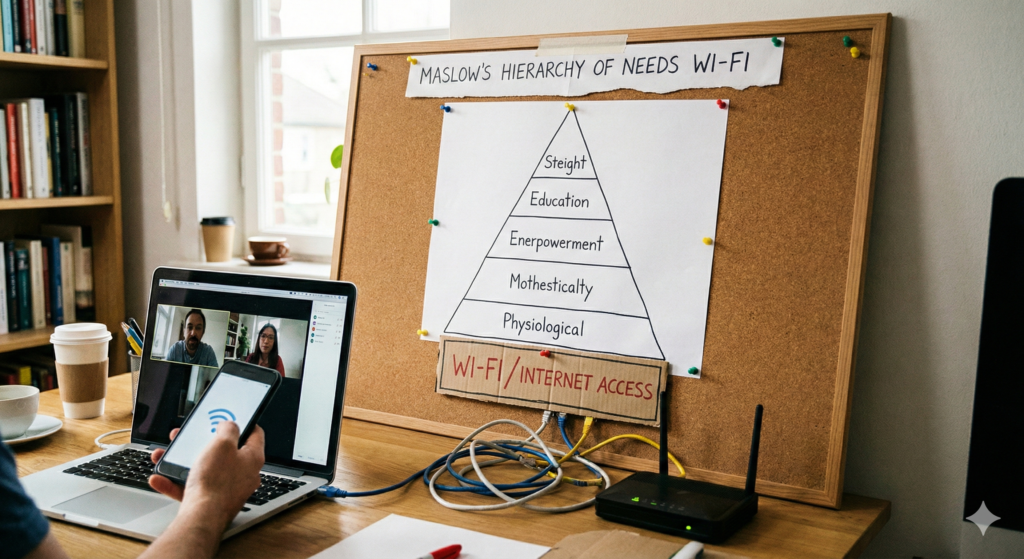
A realistic home office desk featuring a corkboard with a diagram of the traditional pyramid, where a new hand-written layer labeled 'Wi-Fi' has been pinned to the bottom foundation, illustrating the Maslow’s Hierarchy of Needs Wi-Fi concept.

Maslow’s Hierarchy of Needs Wi-Fi: Does Connectivity Belong at the Bottom?

  • Avatar photo
  • Posted byby Team Psychology
  • February 5, 2026
  • 3 min
  • Avatar photo
    • Share
A photo of a diverse group of adults and children smiling and working together to build a wooden garden bed in a sunlit community garden. A prominent rustic wooden sign in the foreground reads "ADLERIAN PSYCHOLOGY: THE QUEST FOR SIGNIFICANCE AND BELONGING."

Adlerian Psychology: The Quest for Significance and Belonging

  • Avatar photo
  • Posted byby Team Psychology
  • February 5, 2026
  • 4 min
  • Avatar photo
    • Share
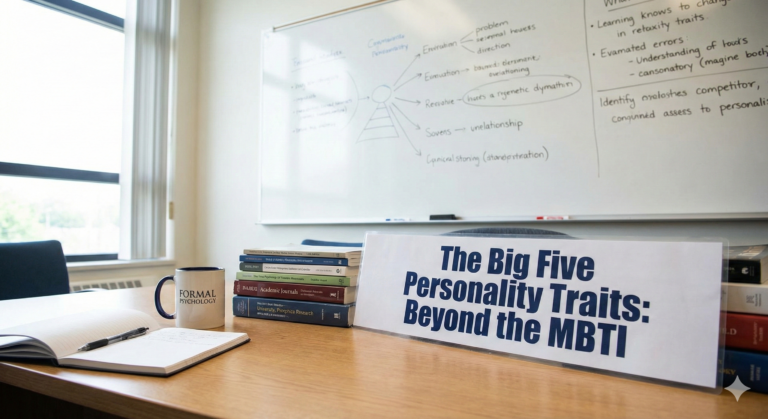
A professional psychology workspace featuring a sign reading "The Big Five Personality Traits: Beyond the MBTI." The scene includes a wooden desk with a stack of academic journals, an open notebook, a coffee mug with the "Formal Psychology" logo, and a whiteboard in the background displaying personality trait diagrams.

The Big Five Personality Traits: Beyond the MBTI

  • Avatar photo
  • Posted byby Team Psychology
  • February 5, 2026
  • 3 min
  • Avatar photo
    • Share
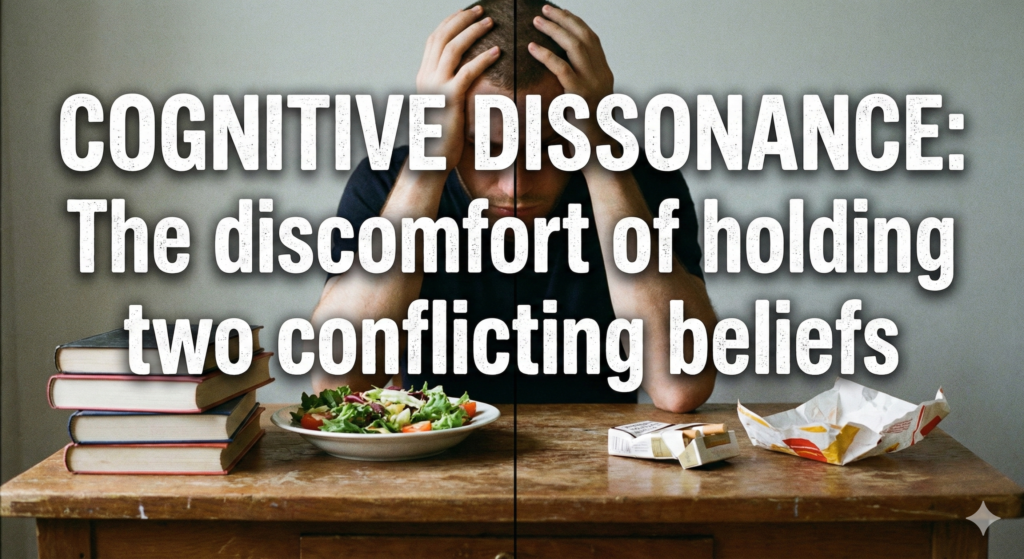
An illustration depicting cognitive dissonance, showing a person's head with two opposing thought bubbles clashing—one labeled "Belief: Smoking is harmful" and the other labeled "Action: Smoking a cigarette"—resulting in a facial expression of stress and mental discomfort.

The War Within: Understanding Cognitive Dissonance and the Discomfort of Conflicting Beliefs

  • Avatar photo
  • Posted byby Team Psychology
  • February 5, 2026
  • 3 min
  • Avatar photo
    • Share
A distressed patient holding their head and stomach while consulting a doctor, illustrating Somatoform Disorders where psychological pain manifests as physical symptoms.

Somatoform Disorders: When Psychological Pain Manifests Physically

  • Avatar photo
  • Posted byby Team Psychology
  • February 5, 2026
  • 3 min
  • Avatar photo
    • Share
A person in a sweater at a wooden desk, looking thoughtfully at a laptop. On the desk are an open booklet titled "THE HEALTH BELIEF MODEL," a smartphone with a notification, and a weekly pill organizer.

The Health Belief Model: Why People Choose (or Refuse) Medical Care

  • Avatar photo
  • Posted byby Team Psychology
  • February 5, 2026
  • 4 min
  • Avatar photo
    • Share
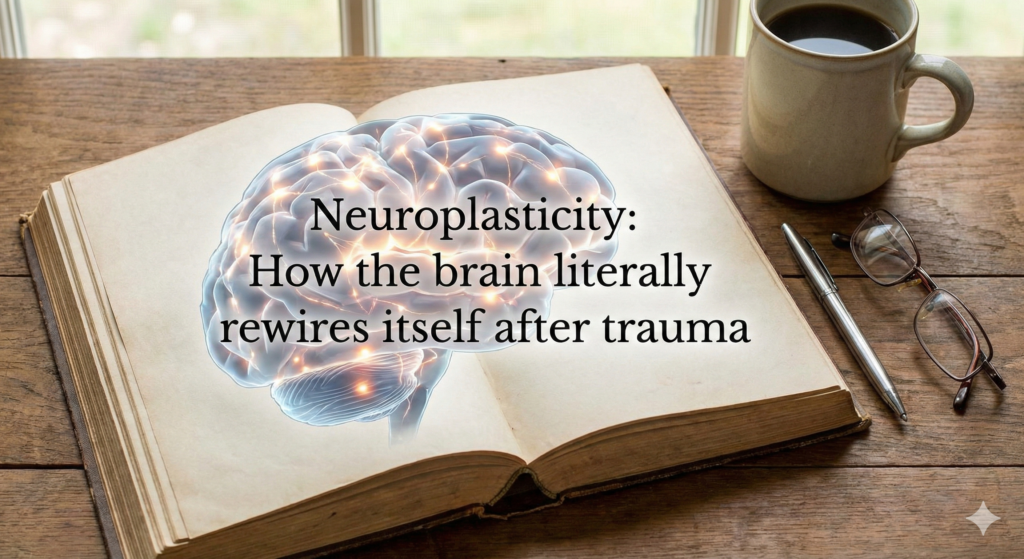
An open, old-fashioned book on a wooden table displays an illustration of a glowing human brain. Overlaid on the illustration and page is the text: "Neuroplasticity: How the brain literally rewires itself after trauma". To the right are a pen, reading glasses, and a mug of coffee.

Neuroplasticity: How the Brain Literally Rewires Itself After Trauma

  • Avatar photo
  • Posted byby Team Psychology
  • February 5, 2026
  • 3 min
  • Avatar photo
    • Share
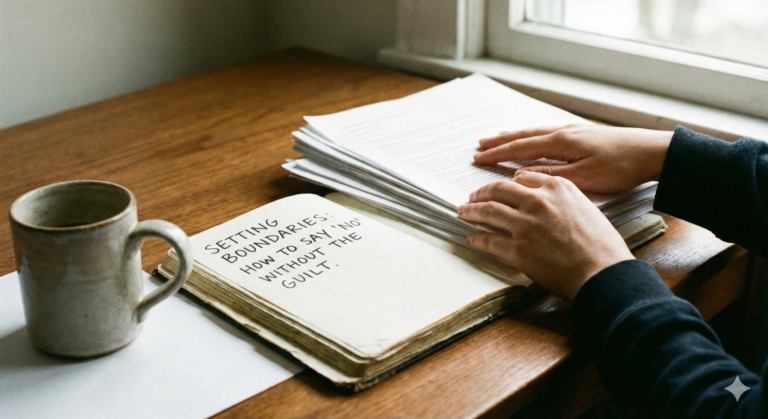
A high-angle, photorealistic shot of a wooden desk featuring a ceramic coffee mug and an open journal. A person's hands rest gently on the pages, where the phrase "SETTING BOUNDARIES: HOW TO SAY 'NO' WITHOUT THE GUILT" is written in clear, handwritten text.

Setting Boundaries: How to Say “No” Without the Guilt

  • Avatar photo
  • Posted byby Team Psychology
  • February 5, 2026
  • 3 min
  • Avatar photo
    • Share
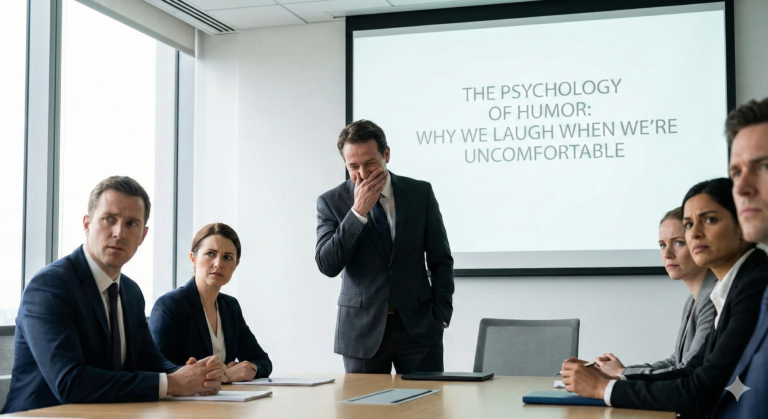
A realistic photo of a man in a business suit laughing nervously with his hand covering his mouth during a serious meeting. In the background, a projector screen displays the text "THE PSYCHOLOGY OF HUMOR: WHY WE LAUGH WHEN WE’RE UNCOMFORTABLE." Colleagues at the table look concerned and serious.

The Psychology of Humor: Why We Laugh When We’re Uncomfortable

  • Avatar photo
  • Posted byby Team Psychology
  • February 4, 2026
  • 3 min
  • Avatar photo
    • Share
7-second rule psychology illustration showing a professional handshake and positive body language between a man and a woman.

The Psychology of First Impressions: Unpacking the 7-Second Rule

  • Avatar photo
  • Posted byby Team Psychology
  • February 4, 2026
  • 3 min
  • Avatar photo
    • Share
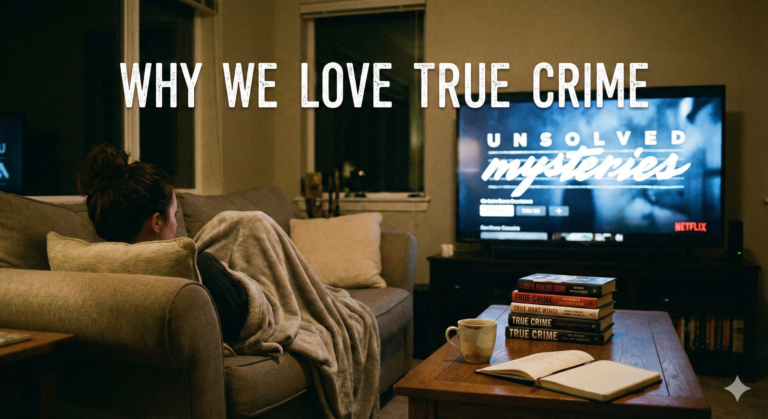
A woman curled on a sofa under a blanket at night, watching the 'Unsolved Mysteries' documentary series on a television screen. In the foreground, a stack of books labeled "TRUE CRIME" rests on a wooden coffee table next to a mug and an open journal. The text overlay reads "WHY WE LOVE TRUE CRIME."

Why We Love True Crime: The Darker Side of Human Curiosity

  • Avatar photo
  • Posted byby Team Psychology
  • February 4, 2026
  • 3 min
  • Avatar photo
    • Share
A realistic photo of a couple in a tense living room setting; a man stands with arms crossed looking out a rainy window while a woman sits on a couch looking dejected. Text overlay reads: "THE PSYCHOLOGY OF APOLOGIES: Why some people can never say 'I'm sorry.'" aiming to illustrate emotional distance.

The Psychology of Apologies: Why Some People Can Never Say “I’m Sorry”

  • Avatar photo
  • Posted byby Team Psychology
  • February 4, 2026
  • 3 min
  • Avatar photo
    • Share
A photograph of a school chalkboard with handwritten white chalk text and diagrams illustrating the psychological difference between envy and jealousy. The title reads "ENVY vs. JEALOUSY: THE PSYCHOLOGICAL ROOTS". Below it are two sections: "ENVY (The Dyad)" with a diagram of two people and an object, and "JEALOUSY (The Triad)" with a diagram of three people labeled "You," "Partner," and "Rival." The bottom text reads "Formal Psychology - Understanding the different roots."
Envy vs. Jealousy: Understanding the Roots of the Green-Eyed Monster

  • Avatar photo
  • Posted byby Team Psychology
  • February 4, 2026
  • 3 min
  • Avatar photo
    • Share
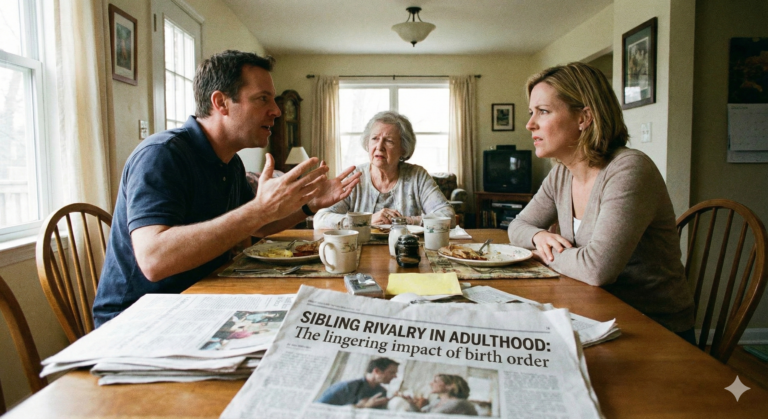
Two adult siblings arguing heatedly at a dining table while their elderly mother sits between them looking concerned; a newspaper in the foreground displays the headline "Sibling Rivalry in Adulthood: The lingering impact of birth order.

Sibling Rivalry in Adulthood: How Birth Order Shapes Lifelong Conflict

  • Avatar photo
  • Posted byby Team Psychology
  • February 4, 2026
  • 4 min
  • Avatar photo
    • Share
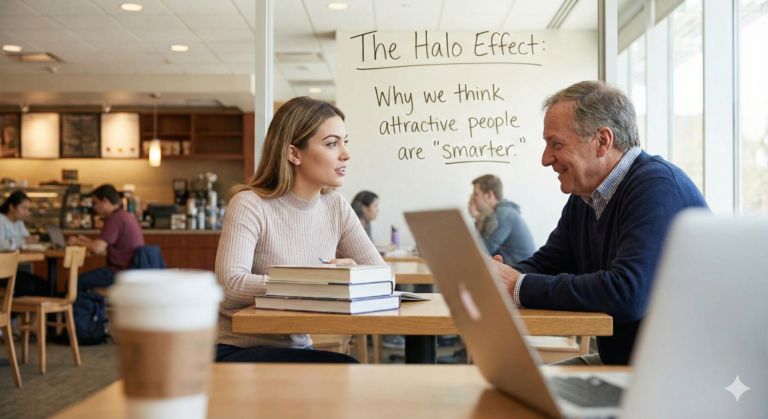
"Realistic photo of a young woman and an older man having a discussion in a cafe, with text on the window glass reading: The Halo Effect: Why we think attractive people are smarter."

The Halo Effect: Why We Think Attractive People Are “Smarter”

  • Avatar photo
  • Posted byby Team Psychology
  • February 4, 2026
  • 3 min
  • Avatar photo
    • Share
A realistic street-style photograph featuring a somber man holding a cardboard sign that reads "Toxic Positivity: When 'Good Vibes Only' Becomes Harmful." He is seated on a bench, contrasting sharply with a group of people in the background who are laughing excessively and taking selfies, illustrating the concept of emotional invalidation.

Toxic Positivity: When “Good Vibes Only” Becomes Harmful

  • Avatar photo
  • Posted byby Team Psychology
  • February 4, 2026
  • 3 min
  • Avatar photo
    • Share
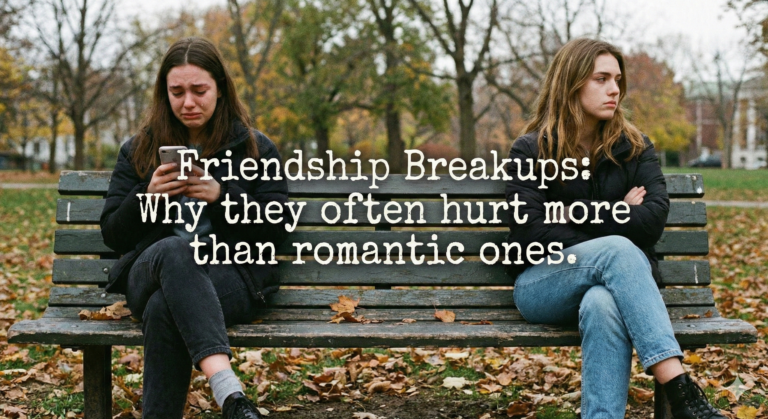
Two young women sitting apart on a park bench in autumn; one is crying while looking at her phone, and the other is looking away with crossed arms. Text overlaid on the center reads: "Friendship Breakups: Why they often hurt more than romantic ones."

The Silent Heartbreak: Why Friendship Breakups Often Hurt More Than Romantic Ones

  • Avatar photo
  • Posted byby Team Psychology
  • February 4, 2026
  • 3 min
  • Avatar photo
    • Share
"Close-up of hands holding a wrapped gift box with a tag reading 'The Psychology of Gift-Giving,' set against a blurred background of people talking, representing social signaling and connection."

The Psychology of Gift-Giving: What Your Choice of Gift Says About You

  • Avatar photo
  • Posted byby Team Psychology
  • February 4, 2026
  • 3 min
  • Avatar photo
    • Share
A grainy, film-style photograph with the text "GASLIGHTING 101" in a typewriter font across the top. In a dimly lit room, a man with a confused, questioning expression stands by a floor lamp. Behind him, in the shadows, another figure's hand is on a wall light switch, seemingly dimming the room's light, illustrating the psychological manipulation of gaslighting.

Gaslighting 101: Subtle Signs You’re Being Manipulated

  • Avatar photo
  • Posted byby Team Psychology
  • February 4, 2026
  • 4 min
  • Avatar photo
    • Share
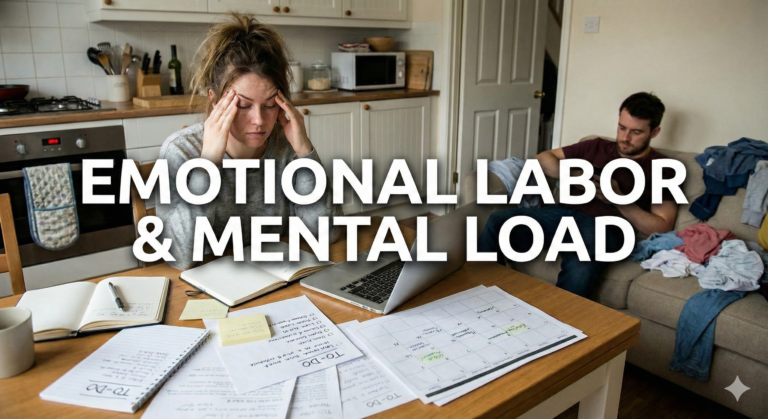
"A stressed couple sitting at a table illustrating the effects of emotional labor in relationships and mental load."

Emotional Labor in Relationships: Why “Mental Load” Leads to Burnout

  • Avatar photo
  • Posted byby Team Psychology
  • February 4, 2026
  • 4 min
  • Avatar photo
    • Share
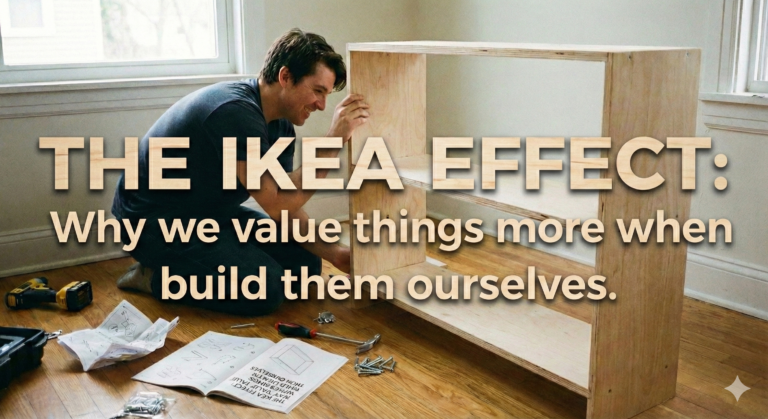
The IKEA Effect - Man Smiling While Assembling DIY Furniture

The IKEA Effect: Why We Value Things More When We Build Them Ourselves

  • Avatar photo
  • Posted byby Team Psychology
  • February 3, 2026
  • 4 min
  • Avatar photo
    • Share
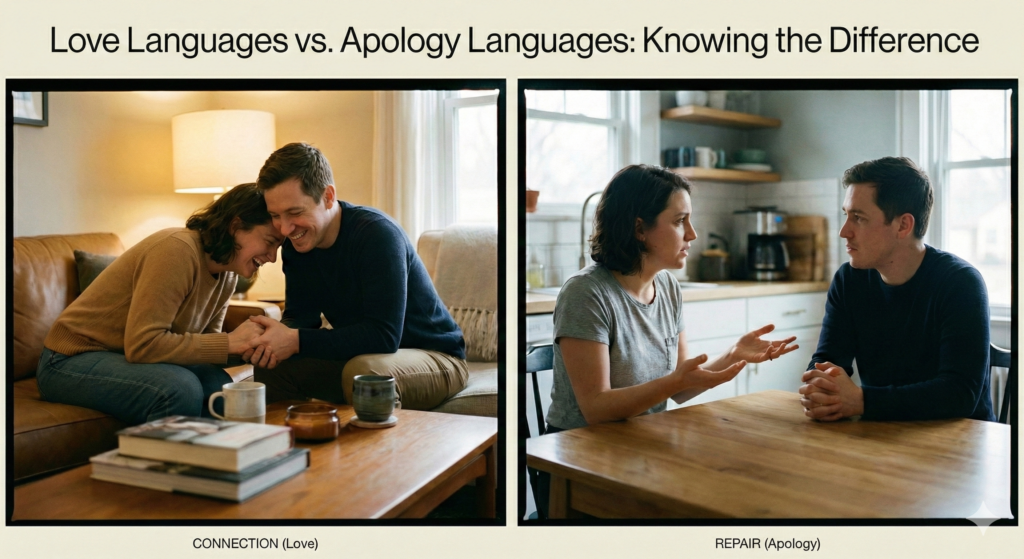
A two-panel photo with a film border, titled "Love Languages vs. Apology Languages: Knowing the Difference". The left panel, labeled "CONNECTION (Love)", shows a smiling couple holding hands on a couch in a warm living room. The right panel, labeled "REPAIR (Apology)", shows the same couple with serious expressions, sitting across from each other at a kitchen table as if in a deep conversation.

Love Languages vs. Apology Languages: Understanding the Architecture of Connection and Repair

  • Avatar photo
  • Posted byby Team Psychology
  • February 3, 2026
  • 4 min
  • Avatar photo
    • Share
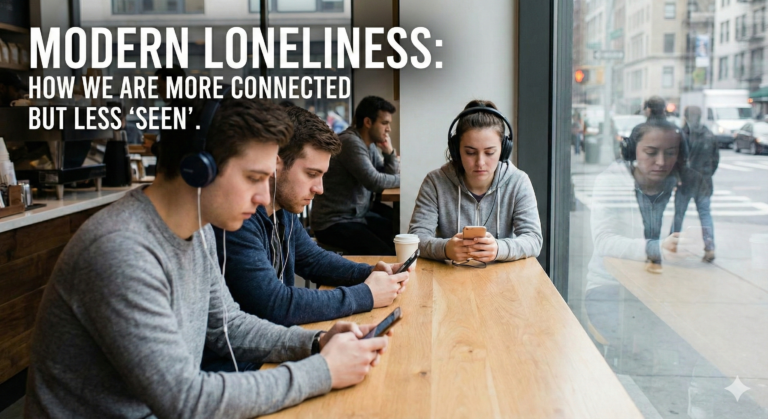
"Realistic photo of young adults sitting together in a coffee shop, ignoring each other to look at smartphones and wear headphones, illustrating digital isolation. Text overlay reads: 'MODERN LONELINESS: HOW WE ARE MORE CONNECTED BUT LESS ‘SEEN’.'"

Modern Loneliness: Why We Are More Connected, Yet Less “Seen”

  • Avatar photo
  • Posted byby Team Psychology
  • February 3, 2026
  • 3 min
  • Avatar photo
    • Share
A thoughtful woman sitting in a cafe looking out a rainy window, representing the emotional reflection and search for closure following ghosting.

The Psychology of Ghosting: Why People Choose Silence Over Closure

  • Avatar photo
  • Posted byby Team Psychology
  • February 3, 2026
  • 2 min
  • Avatar photo
    • Share
The "Seen" Receipt: Why Unreturned Texts Trigger Social Anxiety

The “Seen” Receipt: Why Unreturned Texts Trigger Social Anxiety

  • Avatar photo
  • Posted byby Team Psychology
  • February 3, 2026
  • 3 min
  • Avatar photo
    • Share

Posts pagination

  • Newer Posts
  • 1
  • …
  • 22
  • 23
  • 24
  • 25
  • 26
  • …
  • 33
  • Older Posts

Trending

HOT RIGHT NOW

  • A woman sitting at a wooden desk looking contemplatively at a tablet screen. The image features a text overlay that reads: "AI and Empathy: Can a machine ever truly 'understand' us?"
    • Developmental Psychology
    Attachment in Infancy: Mary Ainsworth’s Strange Situation Protocol and Classification
    • Posted Team Psychology
    • 2 min
  • A realistic photograph of a home office setup featuring a laptop on a white desk, separated from a living room couch and bookshelf by a wooden slat room divider. A framed sign on the desk reads "WORK-FROM-HOME PSYCHOLOGY: MAINTAINING BOUNDARIES."
    • Developmental Psychology
    Language Acquisition: Noam Chomsky’s Universal Grammar vs. B.F. Skinner’s Verbal Behavior
    • Posted Team Psychology
    • 2 min
  • A woman smiling peacefully while washing dishes near a sunny window, illustrating the psychology of Mundane Joy and finding happiness in repetitive tasks.
    • Developmental Psychology
    Adolescent Brain Maturation: The Gap Between Limbic Reactivity and Prefrontal Executive Control
    • Posted Team Psychology
    • 2 min

Social

FOLLOW US

  • youtube
  • instagram
  • email
  • linkedin

Featured

Our best picks

  • A woman sitting at a wooden desk looking contemplatively at a tablet screen. The image features a text overlay that reads: "AI and Empathy: Can a machine ever truly 'understand' us?"
    • Developmental Psychology
    Attachment in Infancy: Mary Ainsworth’s Strange Situation Protocol and Classification
    • Posted Team Psychology
    • October 17, 2026
  • A realistic photograph of a home office setup featuring a laptop on a white desk, separated from a living room couch and bookshelf by a wooden slat room divider. A framed sign on the desk reads "WORK-FROM-HOME PSYCHOLOGY: MAINTAINING BOUNDARIES."
    • Developmental Psychology
    Language Acquisition: Noam Chomsky’s Universal Grammar vs. B.F. Skinner’s Verbal Behavior
    • Posted Team Psychology
    • October 17, 2026
  • A woman smiling peacefully while washing dishes near a sunny window, illustrating the psychology of Mundane Joy and finding happiness in repetitive tasks.
    • Developmental Psychology
    Adolescent Brain Maturation: The Gap Between Limbic Reactivity and Prefrontal Executive Control
    • Posted Team Psychology
    • October 17, 2026
before-footer-banner

Trending

Hot topics

  1. A woman sitting at a wooden desk looking contemplatively at a tablet screen. The image features a text overlay that reads: "AI and Empathy: Can a machine ever truly 'understand' us?"
    • Developmental Psychology
    Attachment in Infancy: Mary Ainsworth’s Strange Situation Protocol and Classification
    • Posted Team Psychology
    • October 17, 2026
  2. A realistic photograph of a home office setup featuring a laptop on a white desk, separated from a living room couch and bookshelf by a wooden slat room divider. A framed sign on the desk reads "WORK-FROM-HOME PSYCHOLOGY: MAINTAINING BOUNDARIES."
    • Developmental Psychology
    Language Acquisition: Noam Chomsky’s Universal Grammar vs. B.F. Skinner’s Verbal Behavior
    • Posted Team Psychology
    • October 17, 2026
  3. A woman smiling peacefully while washing dishes near a sunny window, illustrating the psychology of Mundane Joy and finding happiness in repetitive tasks.
    • Developmental Psychology
    Adolescent Brain Maturation: The Gap Between Limbic Reactivity and Prefrontal Executive Control
    • Posted Team Psychology
    • October 17, 2026

Popular

Top posts

  • A professional working from a home office looking at colleagues on a video conference call, with the title text "Remote Team Dynamics: Building trust through a screen" overlaid in the center.
    • Developmental Psychology
    Masked ADHD and Autism in Women: Gendered Camouflaging, Diagnostic Delay, and Mental Toll
    • Posted Team Psychology
    • 2 min
  • Gemini Generated Image 52u8fh52u8fh52u8 1
    • Developmental Psychology
    Diana Baumrind’s 4 Parenting Styles: Authoritative, Authoritarian, Permissive, and Neglectful Outcomes
    • Posted Team Psychology
    • 2 min
  • A person sits at a cluttered wooden desk with their head in their hands, appearing overwhelmed in front of an open laptop and notebooks. A whiteboard with handwritten tasks sits beside them. Large white text overlay reads: "The Psychology of Productivity: Why 'Busy' is not 'Effective.'"
    • Developmental Psychology
    Adverse Childhood Experiences (ACEs): Biological Embedding of Early Trauma in Adult Health
    • Posted Team Psychology
    • 2 min

Our Policies

  • Privacy Policy
  • Terms & Conditions
  • Medical Disclaimer
  • Editorial Policy
  • About Us
  • Contact Us

Our Products

  • Formal Psychology
  • PsiQ
  • Pavlov Shop
© Formal Psychology, All rights reserved | Powered by Novul Sphere