Understanding Vagus Nerve Regulation is essential for anyone seeking deep insights into human behavior, cognitive science, and psychological well-being. Modern research highlights how these mechanisms profoundly shape our mental architecture, emotional stability, and interpersonal relationships.
Psychological Foundations & Neurobiological Mechanisms
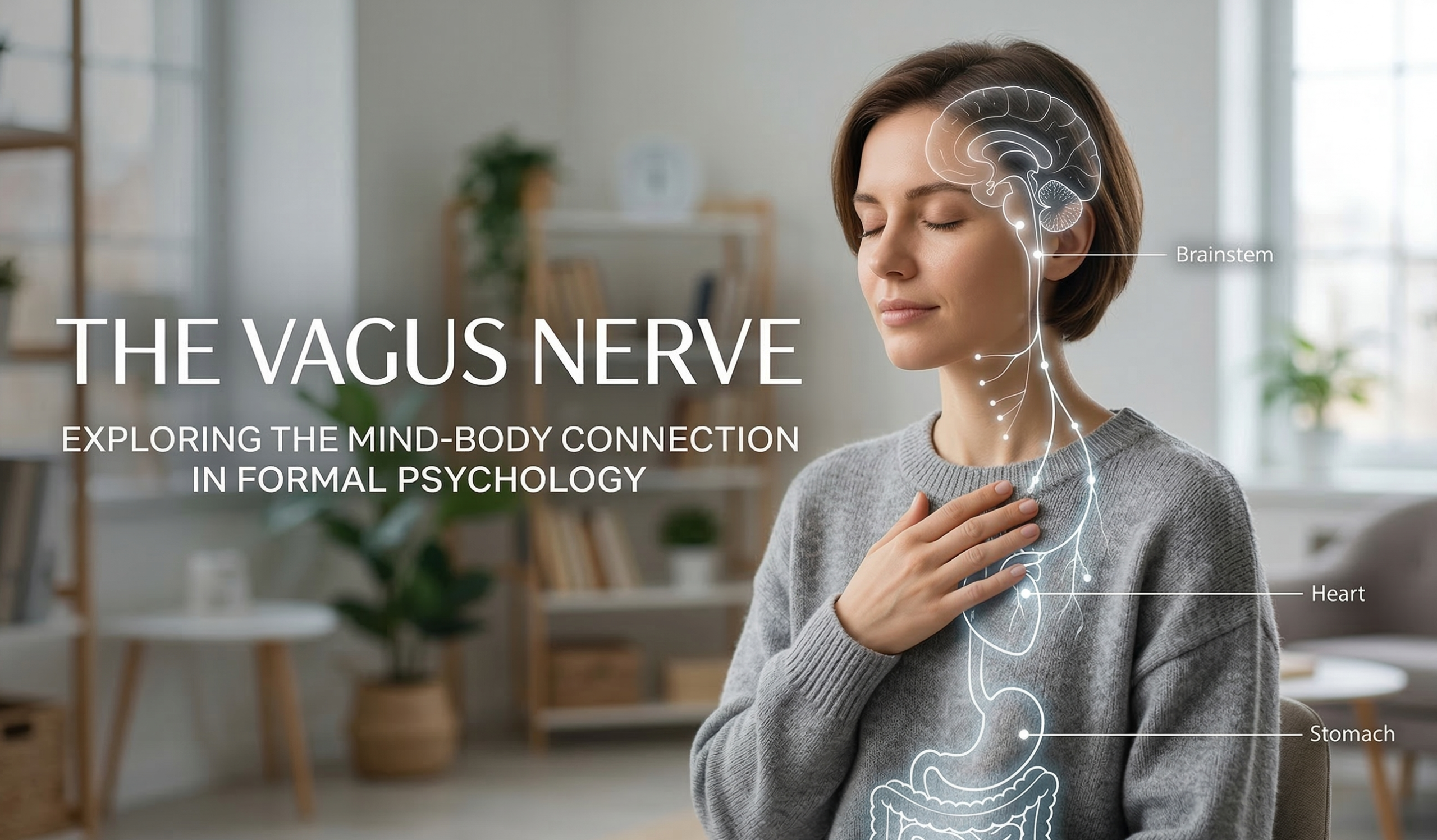
The tenth cranial nerve, the vagus nerve, accounts for approximately 80% of parasympathetic sensory fibers linking the brainstem to the heart, lungs, and digestive tract, serving as the biological master switch for calming autonomic nervous system arousal.
From an empirical perspective, psychological research indicates that individuals who develop acute awareness of these cognitive and emotional dynamics display significantly higher resilience in the face of acute environmental stressors. Neuroimaging studies reveal corresponding functional adaptations across fronto-striatal and limbic circuits, illustrating that our behavioral patterns are dynamically modulated by ongoing learning and intentional practice.
Key Manifestations & Behavioral Patterns
When examining this phenomenon in clinical, academic, and everyday contexts, several consistent behavioral markers emerge:
- Polyvagal Theory Triarchy: Ventral vagal (social engagement/safety), sympathetic (fight-or-flight), and dorsal vagal (freeze/immobilization)
- Vagal Tone Metrics: Heart rate variability (HRV) as a clinical proxy for autonomic flexibility and emotional resilience
- Neuroception of Danger: Subconscious biological threat scanning that triggers physiological defensive states before conscious awareness
- The Somatovisceral Feedback Loop: Afferent visceral signals sending 4 times more data to the brain than efferent brain-to-body motor pathways
Evidence-Based Strategies & Clinical Interventions
Addressing these psychological dynamics requires a multi-tiered approach that bridges cognitive insight with concrete, repeatable behavioral interventions:
- The Physiological Sigh: Two rapid nasal inhalations followed by a slow, unforced oral exhalation to recruit vagal motor neurons
- Cold Water Facial Immersion: Activating the mammalian diving reflex to produce immediate vagally-mediated bradycardia
- Prolonged Exhalations: Breathing with an inhale-to-exhale ratio of 1
- Vocal Cord Resonance: Chanting, humming, or gargling to physically stimulate the recurrent laryngeal branch of the vagus nerve
Clinical Considerations & Practical Takeaways
While self-guided psychoeducation and behavioral strategies provide immense value, severe emotional distress or persistent functional impairment warrants consultation with a licensed mental health professional. Navigating complex psychological challenges with personalized guidance ensures sustainable growth, emotional safety, and lasting cognitive resilience.
Academic & Clinical References
- American Psychological Association. (2020). Publication Manual of the American Psychological Association (7th ed.). Washington, DC: APA.
- Beck, A. T. (1979). Cognitive Therapy of Depression. New York: Guilford Press.
- Kahneman, D. (2011). Thinking, Fast and Slow. New York: Farrar, Straus and Giroux.
- World Health Organization. (2019). International Statistical Classification of Diseases and Related Health Problems (11th ed.).