
Understanding The Ego Depletion Debate in Modern Psychology is essential for anyone seeking deep insights into human behavior, cognitive science, and psychological well-being. Modern research highlights how these mechanisms profoundly shape our mental architecture, emotional stability, and interpersonal relationships.
Psychological Foundations & Neurobiological Mechanisms
Pioneered by Roy Baumeister in 1998, the ego depletion hypothesis proposed that self-control is a finite biological muscle running on glucose; however, modern replication crises and mindset research have fundamentally re-evaluated this conceptualization.
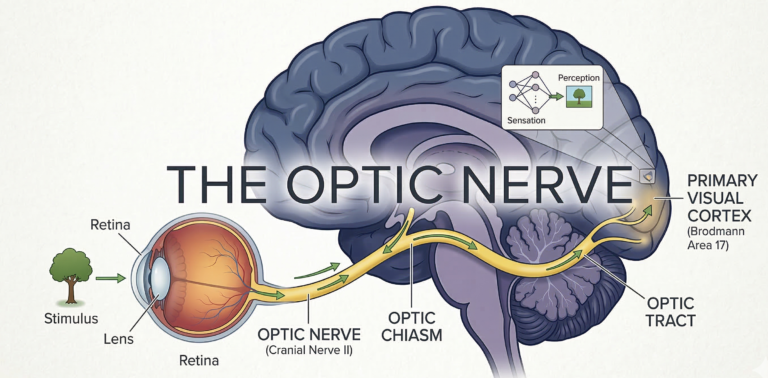
From an empirical perspective, psychological research indicates that individuals who develop acute awareness of these cognitive and emotional dynamics display significantly higher resilience in the face of acute environmental stressors. Neuroimaging studies reveal corresponding functional adaptations across fronto-striatal and limbic circuits, illustrating that our behavioral patterns are dynamically modulated by ongoing learning and intentional practice.
Key Manifestations & Behavioral Patterns
When examining this phenomenon in clinical, academic, and everyday contexts, several consistent behavioral markers emerge:
- The Classic Depletion Paradigm: Participants resisting chocolate subsequently showed faster surrender on unsolvable puzzles than those allowed to eat
- The Replication Crisis Challenge: Multi-lab pre-registered replications failing to reliably reproduce significant effect sizes for ego depletion
- Carol Dweck’s Mindset Mediation: Research proving that individuals who believe willpower is unlimited show no depletion effects following arduous tasks
- Motivational & Attentional Shifts: Depletion representing a shifting balance between ‘have-to’ labor and ‘want-to’ leisure rather than literal biological brain fuel exhaustion
Evidence-Based Strategies & Clinical Interventions
Addressing these psychological dynamics requires a multi-tiered approach that bridges cognitive insight with concrete, repeatable behavioral interventions:
- Adopting an Unlimited Willpower Mindset: Internalizing that mental exertion is invigorating and builds cognitive capacity rather than draining a finite tank
- Strategic Autonomic Rest Pauses: Taking 5-minute restorative breaks to reset attentional orienting networks rather than waiting for catastrophic burnout
- Identity-Based Behavioral Framing: Reanchoring self-control to deeply held identity (‘I am a runner’) rather than exhausting willpower decisions (‘Should I run today?’)
- Environmental Architecture Optimization: Eliminating temptations from the physical workspace so willpower is never called upon to resist in the first place
Clinical Considerations & Practical Takeaways
While self-guided psychoeducation and behavioral strategies provide immense value, severe emotional distress or persistent functional impairment warrants consultation with a licensed mental health professional. Navigating complex psychological challenges with personalized guidance ensures sustainable growth, emotional safety, and lasting cognitive resilience.
Academic & Clinical References
- American Psychological Association. (2020). Publication Manual of the American Psychological Association (7th ed.). Washington, DC: APA.
- Beck, A. T. (1979). Cognitive Therapy of Depression. New York: Guilford Press.
- Kahneman, D. (2011). Thinking, Fast and Slow. New York: Farrar, Straus and Giroux.
- World Health Organization. (2019). International Statistical Classification of Diseases and Related Health Problems (11th ed.).