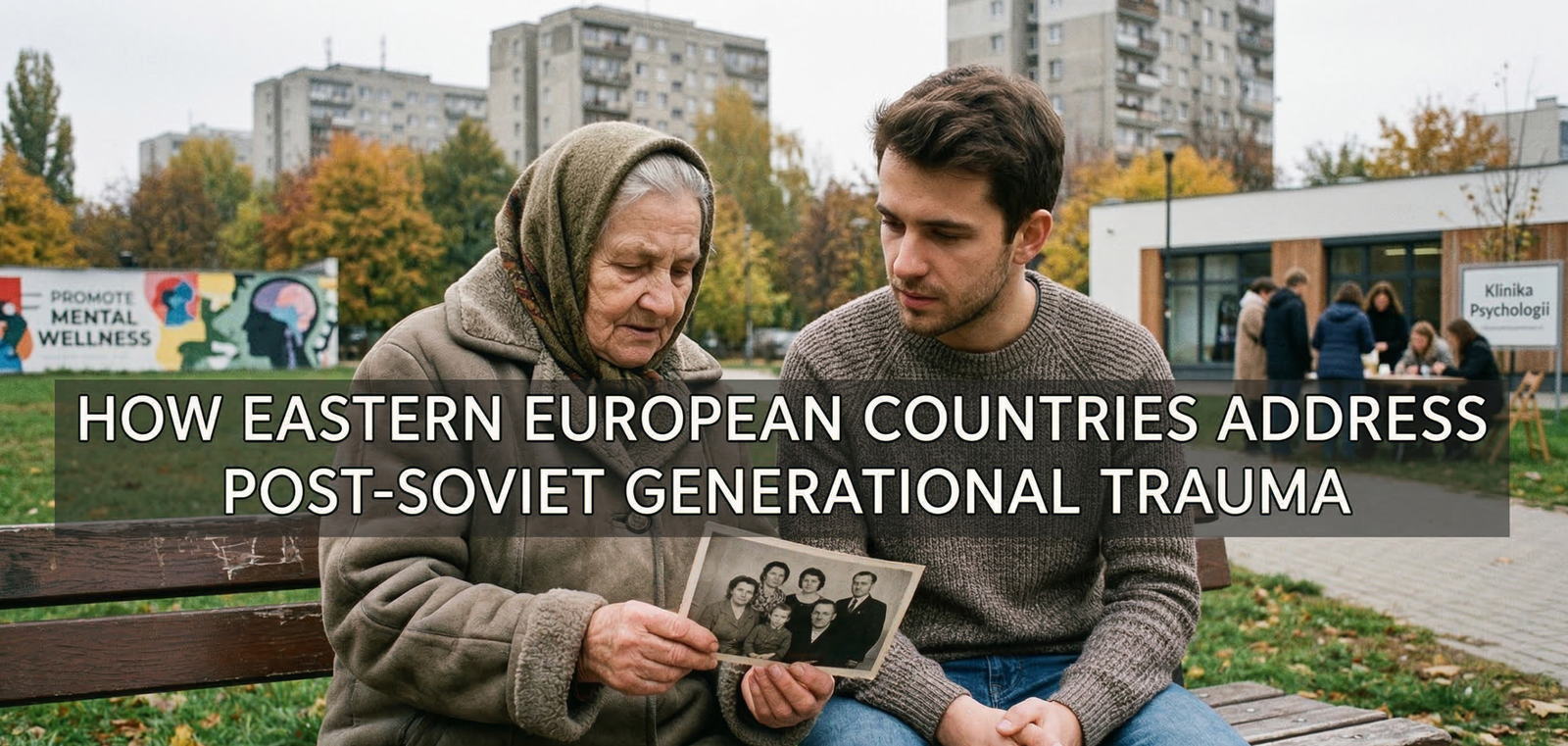

Explore how family stories, coping patterns, historical adversity, and resilience can shape psychological life across generations.
Why this topic matters
Psychology becomes most useful when it connects research with the situations people experience every day. This topic involves attention, learning, relationships, identity, biology, and the wider social environment rather than one simple cause.
Key psychological ideas
Researchers usually examine patterns across people while recognizing individual and cultural differences. A useful explanation should clarify what is known, what remains uncertain, and how context changes the way a pattern appears.
- Notice the situation before judging the behavior.
- Look for patterns over time rather than one isolated moment.
- Separate a helpful psychological framework from a clinical diagnosis.
Practical ways to reflect
Track when the pattern appears, what happened immediately before it, how you responded, and what happened afterward. Then choose one small, realistic adjustment such as changing a cue, protecting recovery time, asking for support, or reducing unnecessary pressure.
When professional support may help
If distress is persistent, affects safety, or interferes with daily life, speak with a qualified mental-health professional. Educational content can support a conversation, but it cannot replace individualized assessment or treatment.
Takeaway
Psychological insight is not about reducing people to labels. It is about understanding patterns with curiosity and using evidence-informed, compassionate steps to support wellbeing.
Related reading: Explore more psychology articles and contact the Formal Psychology team.